

Lake Thun Blog
Fulehung 2026 in Thun: Experience tradition, relax on Lake Thun
Published on
September 16, 2026
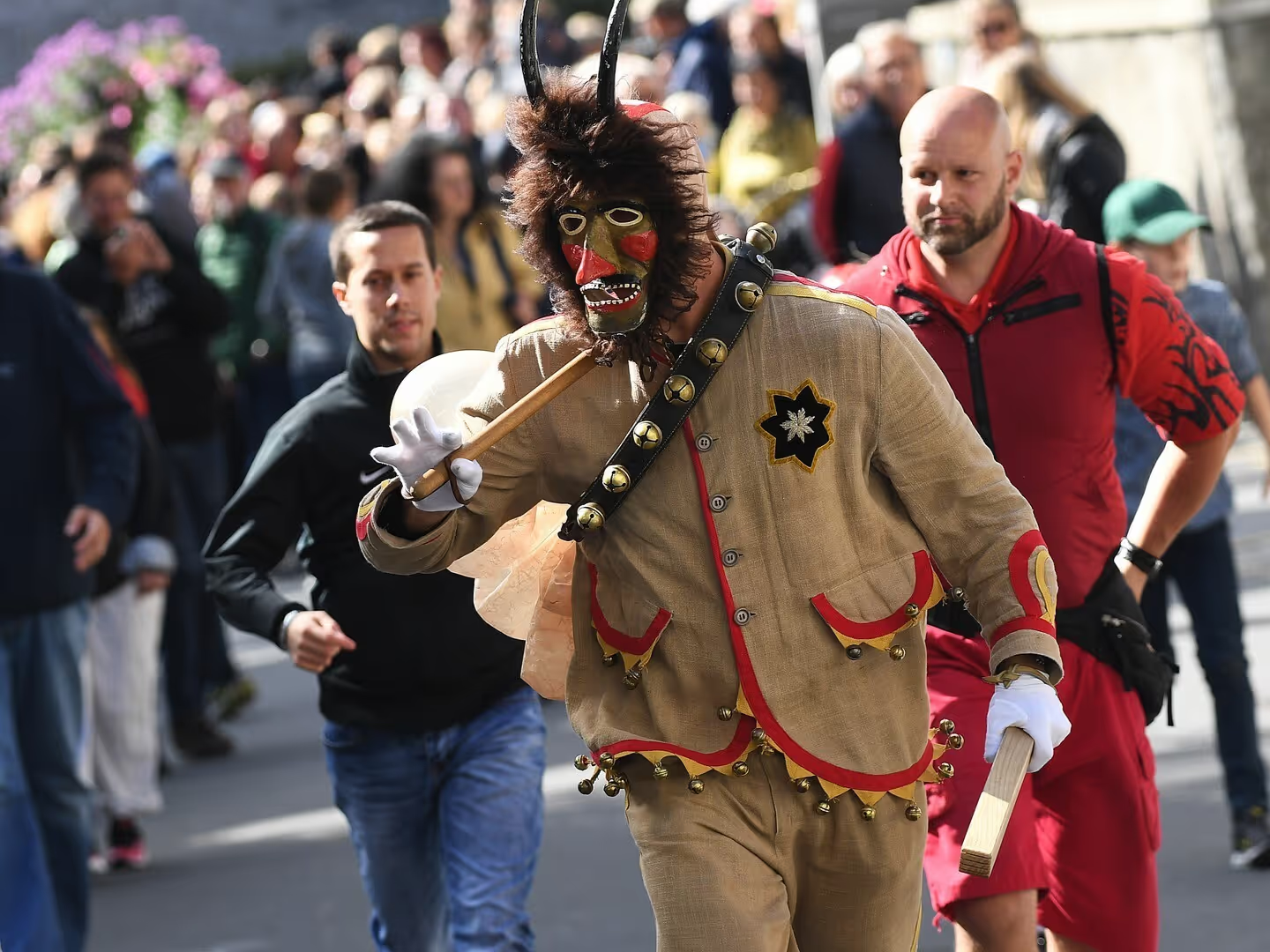
From September 20 to 22, 2026, Thun will celebrate the Ausschiesset. The most exciting moment for early risers: On Monday, September 21, the Fulehung will appear at 5:00 a.m. on Rathausplatz. Experience Thun’s traditions up close and combine your visit with a short getaway to Lake Thun.
Who is Fulehung?
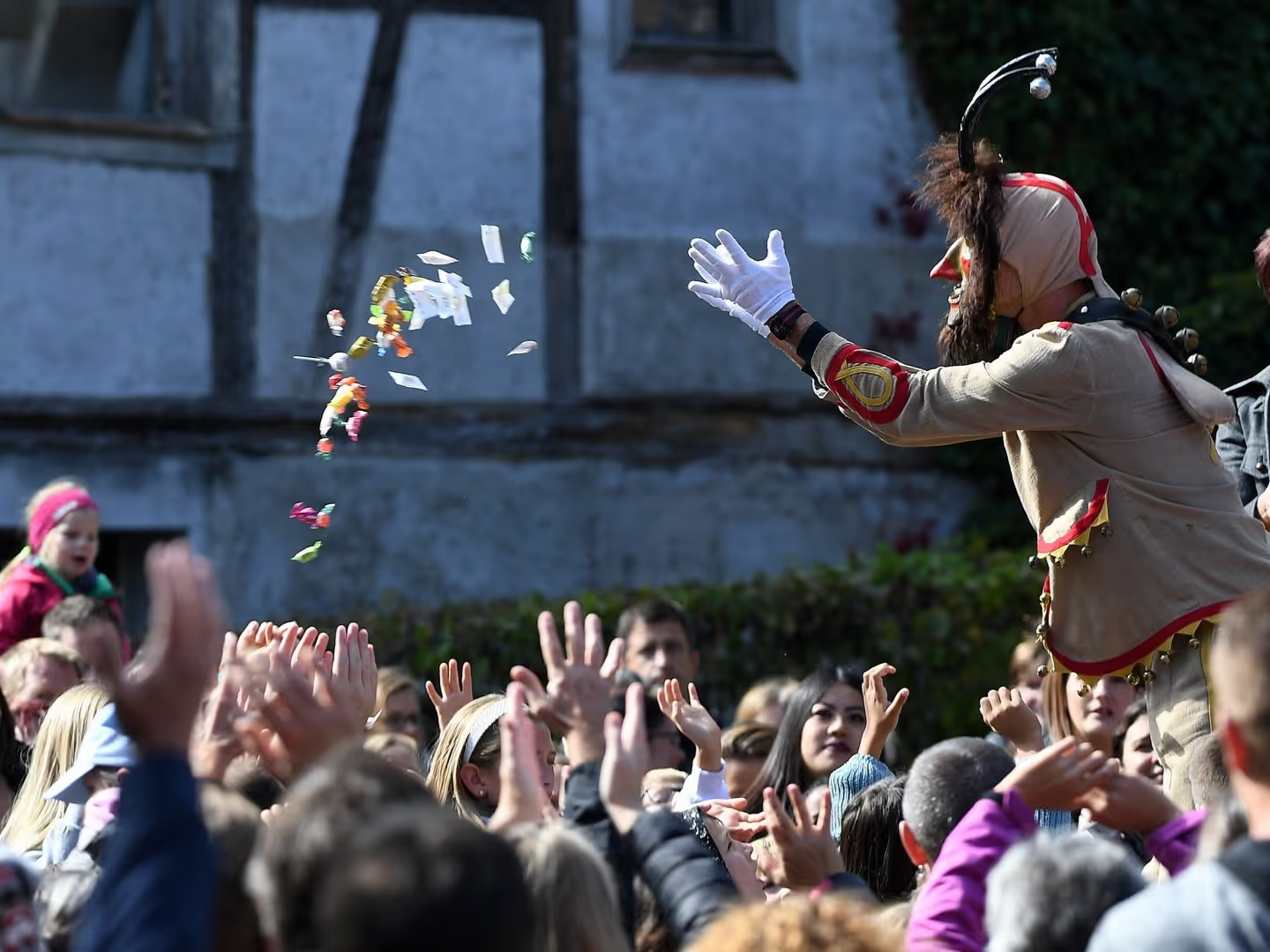
A striking mask, wild chases through the alleys, and, in between, treats for the spectators: The Fulehung is the unmistakable jester figure of the Thun Ausschiesset. According to tradition, he is based on the court jester of Charles the Bold, whom the people of Thun are said to have captured in 1476 at the Battle of Murten.
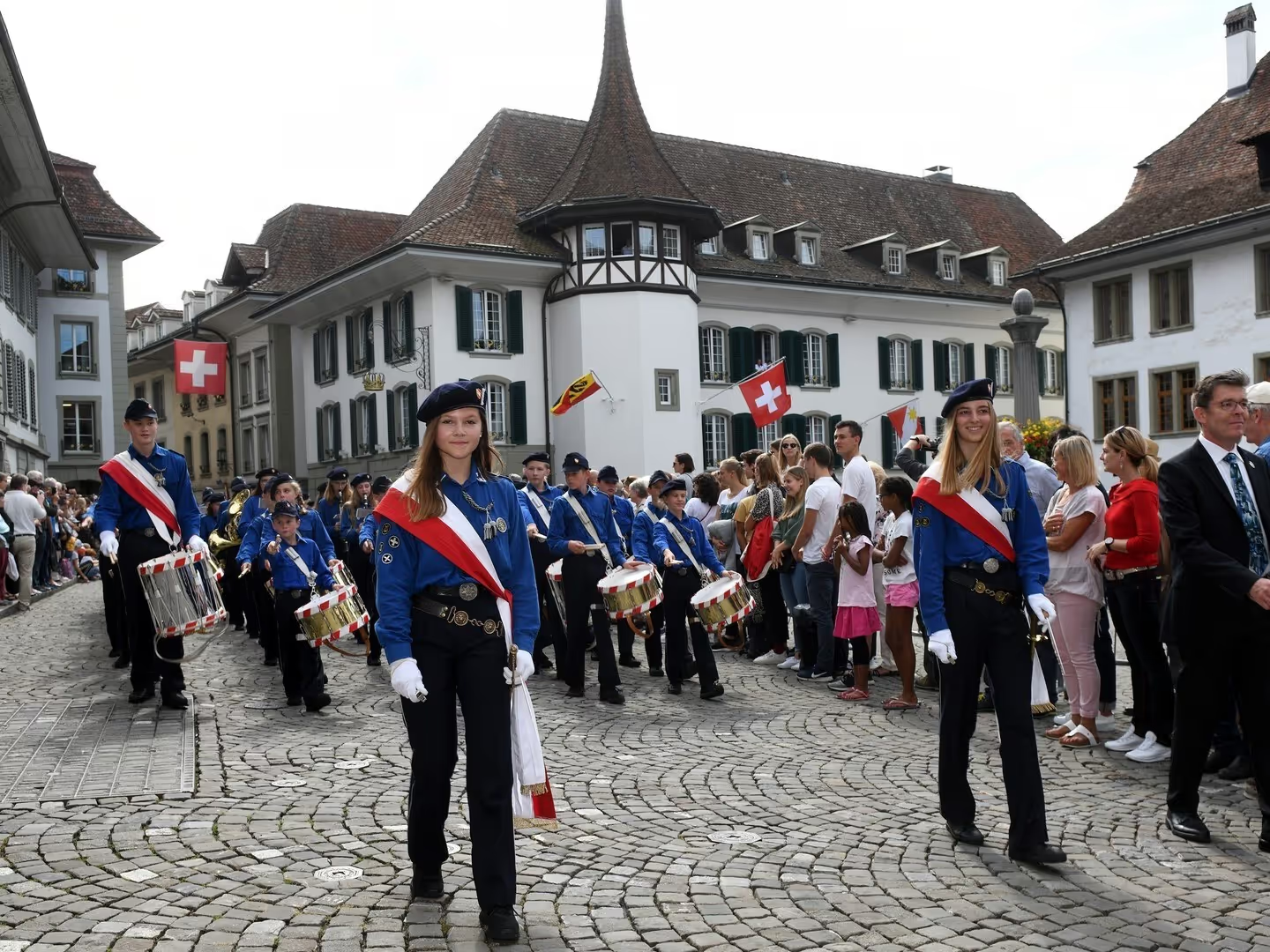
In our 2024 interview, Christoph Nydegger, president of the Thun Cadet Commission, explained the origins of the festival: The Ausschiesset originally marked the conclusion of the summer shooting drills. The cadet corps’ participation later shaped its further development. Nydegger summed up just how closely the event is tied to the city as follows:
"The Fulehung and the Ausschiesset embody a traditional custom that is deeply rooted in the people of Thun."
What does the 2026 program offer?
From the opening parade to the Gessler Shoot: Be sure to mark these highlights on your calendar.
The information is taken from the Kadetten Thun program. Subject to change.
Our tip: Arrive on Sunday and plan your early trip to Rathausplatz in advance. That way, your Fulehung experience won’t start with a long journey in the middle of the night.
Where to stay for Fulehung 2026?
First, enjoy the festive atmosphere in Thun, then take some time for yourself: Turn your visit into a few relaxing days at our “ Hauenstein Hotels ” resorts around Lake Thun.
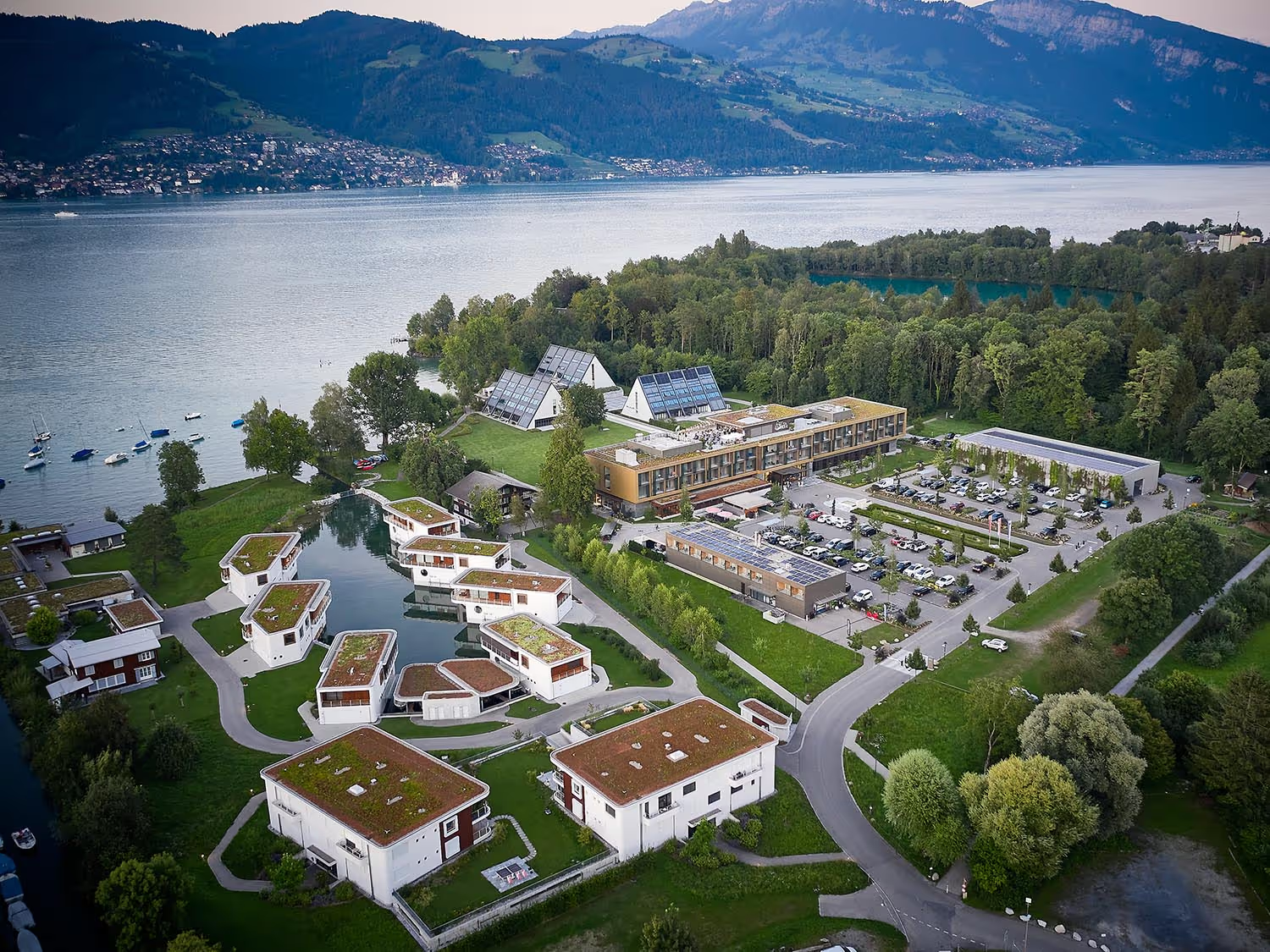
Deltapark Vitalresort in Gwatt near Thun: Located right on the lake and nestled in a sprawling park, this is the perfect retreat after the hustle and bustle of the holidays. Spanning 2,000 m², the spa and fitness area offers plenty of space to unwind and recharge.
Check availability now and book your stay.
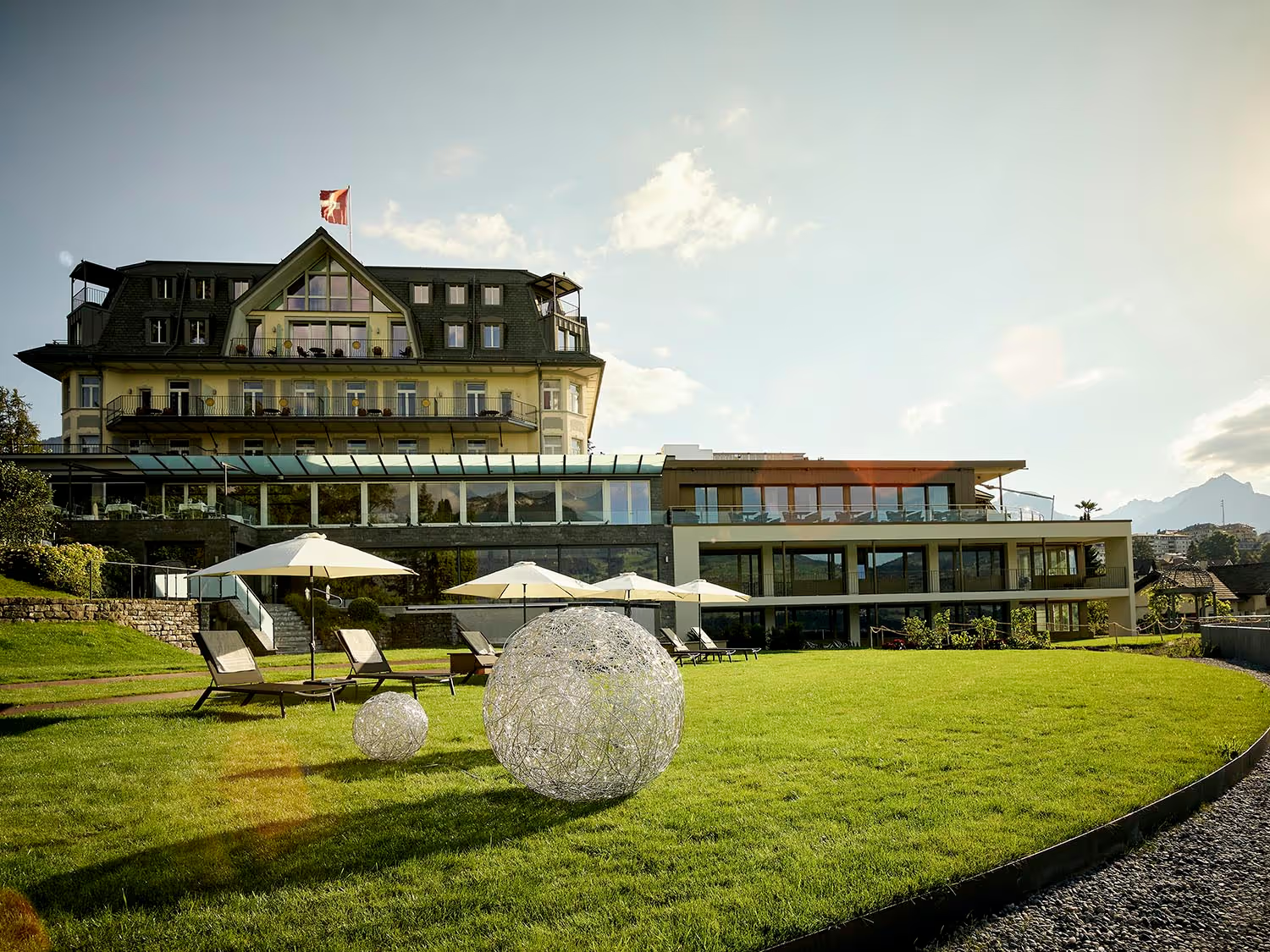
Belvédère Strandhotel in Spiez: Combine your outing with culinary delights, wellness, and views of Spiez Bay. For anyone who likes to linger a little longer between experiences.
Check availability now and book your stay.
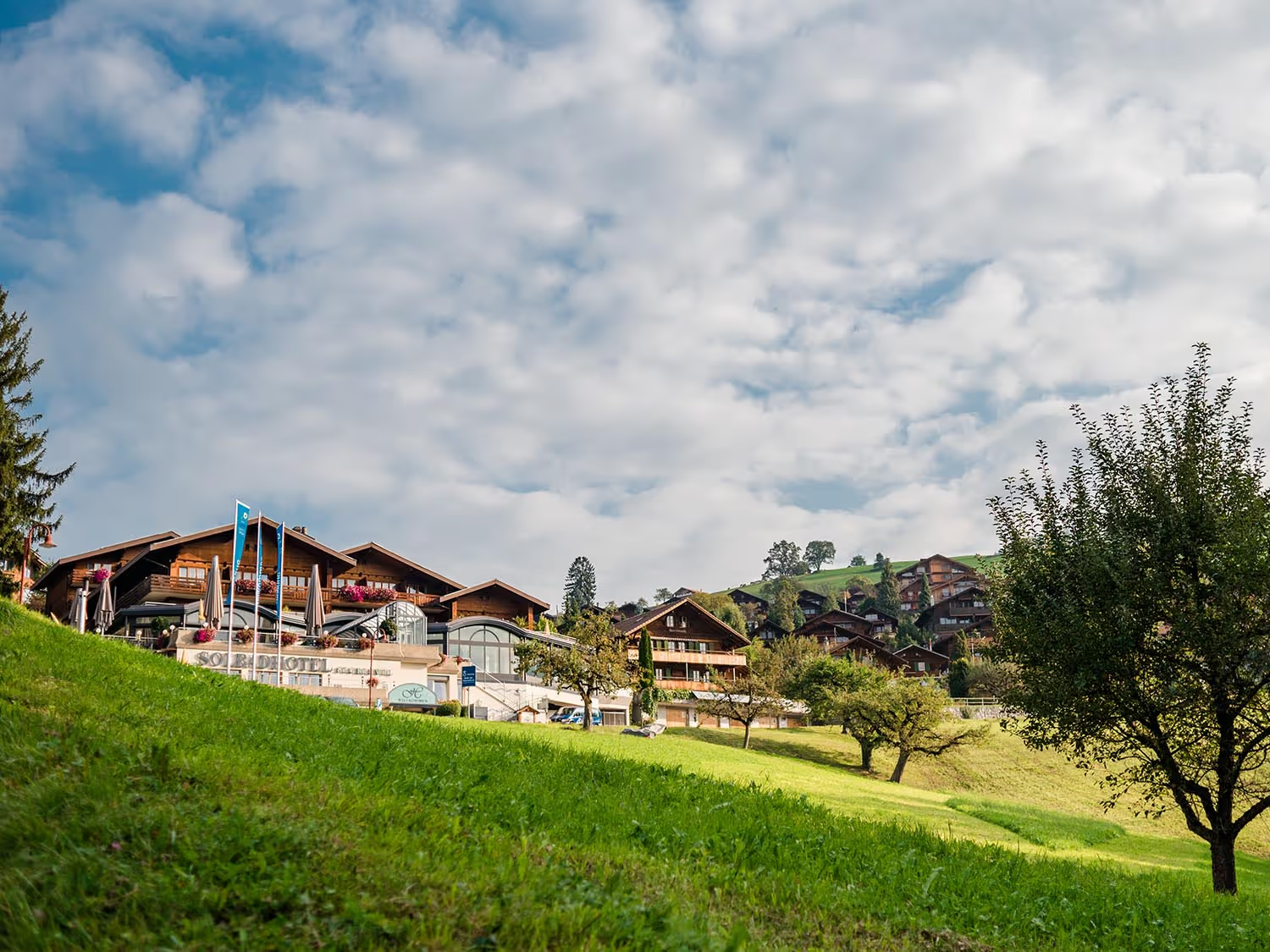
Spa Hotel in Sigriswil: Let the day’s experiences sink in as you soak in the saltwater bath and enjoy the view of Lake Thun and the mountains. Here, you’ll swap the bustling alleys of the old town for tranquility high above the lake.
Check availability now and book your stay.
Which hotel is right for your fall getaway? Choose your favorite hotel and combine the Fulehung 2026 with wellness, indulgence, and time by Lake Thun.
The 2024 Interview
Mr. Nydegger, where does the tradition of Fulehung come from? Where and when did it originate?
The event, which can be traced back to the 16th century, sends the inhabitants of Thun into a huge festive frenzy for three days. The Ausschiesset takes place at the beginning of Thun's fall vacations (Sunday to Tuesday).
Originally, the Ausschiesset was just the end of the summer shooting practice of the shooting clubs and always took place in the fall. Shooters competed for the Ausschiesset prizes and parades were held. There were also communal meals and, in later times, a ball.
The further development of the shooting set was largely determined by the participation of the cadet corps and is likely to have taken its current form in the period after 1860.
The Fulehung is known for its "scary" appearance thanks to its unmistakable mask. Where does that come from?
According to current tradition, the jester figure with the terrifying mask is the court jester of Charles the Bold, who is said to have been captured by the people of Thun at the Battle of Murten in 1476.
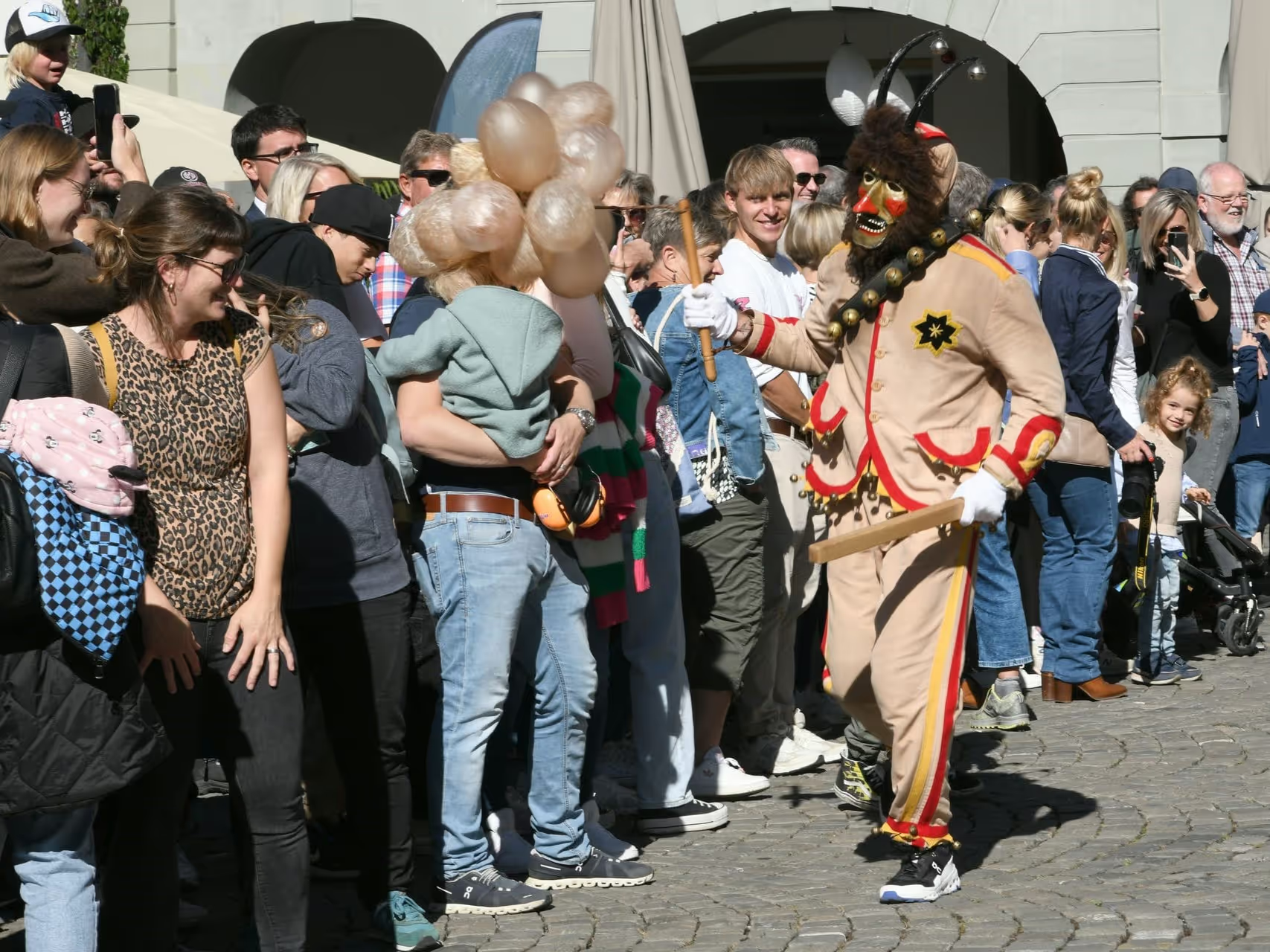
The history of the jester at the Ausschiesset can be traced back to the 18th century. Originally, it was the pointer of the shooting club who wore a jester's garb on special occasions. Today, he is armed with Schyt and Söiblaatere (pig bladders filled with air) and chases the children through the town center. What makes him so likeable is the fact that he also hands out dice and even adults are not spared when he deals out his blows.
What does a typical Fulehung event in Thun look like?
Sunday: Opening parade with Thun cadets, music societies and shooting societies, concert in the town hall square by the music societies, shooting program by the shooting clubs, in the evening a parade with cadet music and tambourines through the streets of the town centre.
Monday: At 5:00 am, the Fulehung appears in the streets of Thun. At 6:00 a.m., the day is awakened with cadet music and tambourines through the town center. Later, the flag is handed over on the town hall square, crossbow shooting at the Knabenschützenhaus. In the evening, the cadet concert takes place on the town hall square, followed by a military parade.
Tuesday: Wreath ceremony for the cadets, Gessler shooting at the Knabenschützenhaus, final parade. In the afternoon, cadet ball for the cadet squad (oldest outgoing year); alumni shooting ball.
The shooting competition of the shooting club takes place in the Guntelsey over the course of the day. In addition, various associations, including Thun Verbunden (MTV), Vereinigung Thuner Prögeler (VTP), Thuner Kadetten Verein (TKV) and the alumni (TKV) hold their meetings and many class reunions take place.
How many visitors does the Fulehung attract to Thun?
During the parades, especially the opening parade on Ausschiesset Sunday, thousands of Ausschiesset enthusiasts stream through the streets and alleyways of Thun city center. The Gessler shooting on Tuesday morning is also a crowd-puller, followed by the final parade.
What significance does the Fulehung have for Thun?
Alongside the cadet corps, the Fulehung is inextricably linked to the Ausschiesset and it is hard to imagine Thun without it. The Fulehung and the Ausschiesset embody a traditional custom that is firmly anchored in the Thun population.
Is the Fulehung event unique in Switzerland or are there comparable traditions outside of Thun?
As is the case with customs and traditions - they are unique everywhere and yet they often have unifying elements. For example, there are similar traditional events with the Solennität in Burgdorf and in Murten. The historical figure of Fulehung, on the other hand, is unique.