

Lake Thun Blog
Success Story: From Cook to Sous Chef – Philipp Thalmann at Burehuus
Published on
August 31, 2026
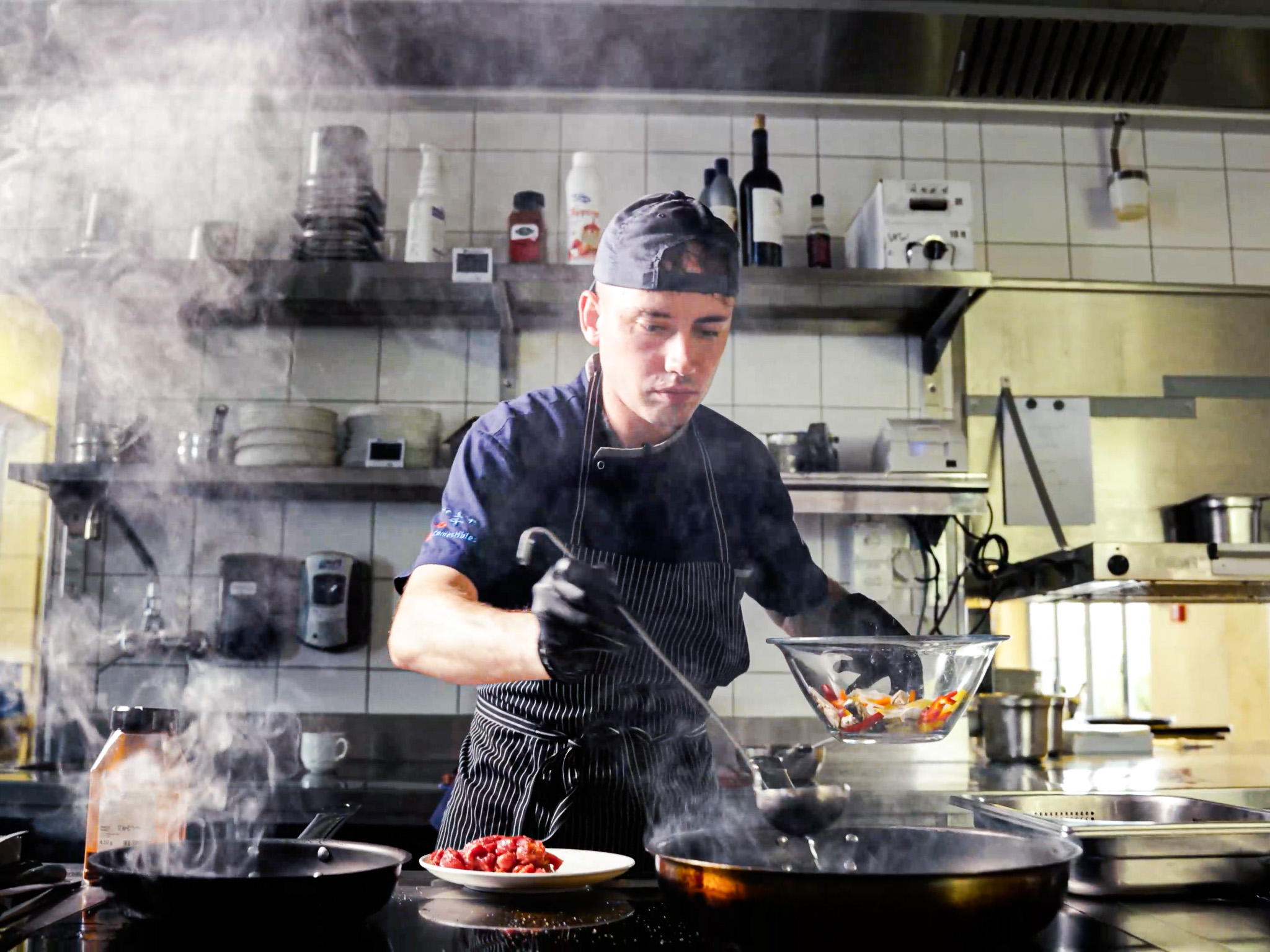
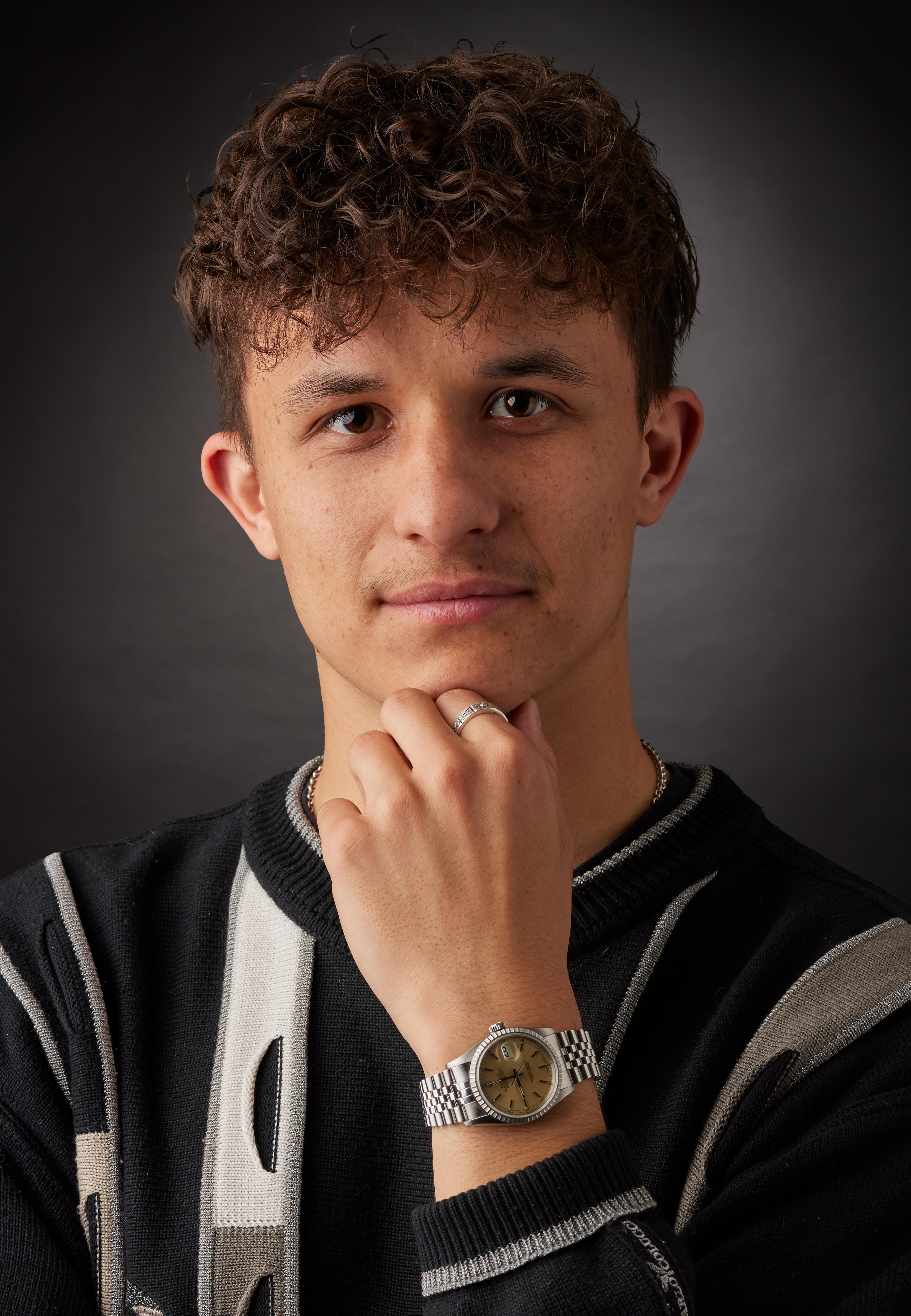
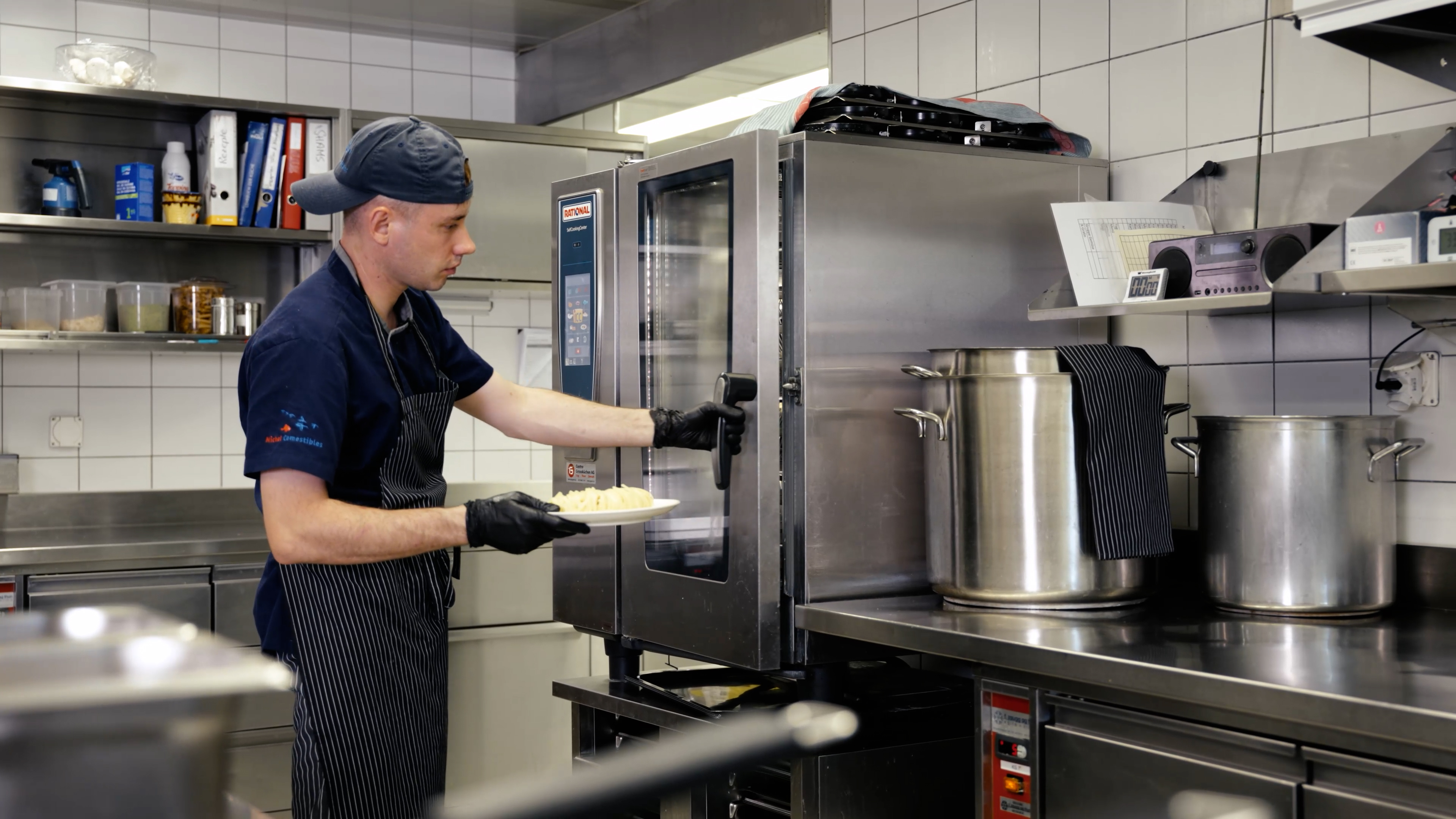
Philipp Thalmann is currently the sous chef at Restaurant Burehuus in Thun. However, his time with the " Hauenstein Hotels " began a few years earlier—at the Belvédère Strandhotel in Spiez.
His career path was not a straight one. Philipp left the Belvédère, gained experience in other kitchens, and later returned. More than once. Eventually, his path within the “ Hauenstein Hotels ” led him to the Burehuus, where a fresh start gradually evolved into a leadership role.
It's a story about detours and coming home. About two chefs who had a decisive influence on him. And about the confidence Philipp needed to find his own path as a chef.
In the video, Philipp explains what his daily work routine is like these days and what he particularly appreciates about the Burehuus and the “ Hauenstein Hotels .”
Philipp Thalmann talks about his day-to-day work as a sous chef at Restaurant Burehuus, the team spirit, and working at the " Hauenstein Hotels."
The Belvédère as a unifying theme
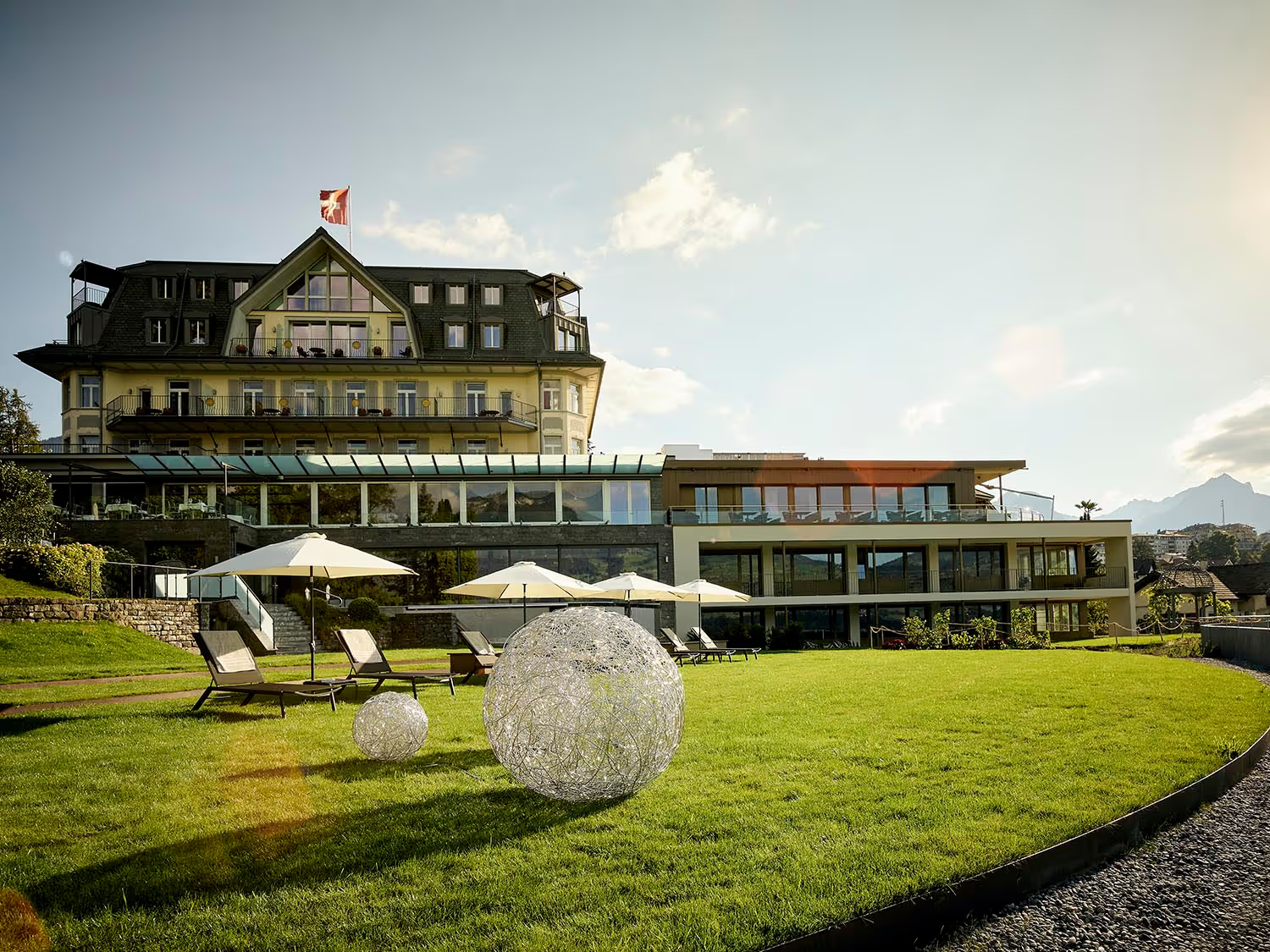
Philipp's first extended stint with the " Hauenstein Hotels " began in 2019 at the Belvédère Strandhotel in Spiez. There, he learned the ins and outs of a large hotel kitchen and worked under Executive Chef Marco Hächler.
For Philipp, however, the Belvédère was not simply a chapter in his life that had come to a close. When the hotel underwent renovations, he initially worked at other restaurants. After the hotel reopened, Marco Hächler asked him if he would like to return.
For Philipp, the answer was clear: Of course he would come back.
He left the Belvédère again later on. During the COVID-19 pandemic, he served on a military assignment for several months and helped ensure the supply of essential goods during that extraordinary time. Afterward, he worked at a restaurant in Hilterfingen.
But the connection to Spiez remained. He never lost touch with the people at the Belvédère, and Philipp returned once again.
In this way, the hotel became a common thread running through his professional development over the course of several stages. Each time he returned, Philipp brought new experiences with him. At the same time, he encountered people who knew him, followed his progress, and believed in him.
He is still in regular contact with many of his former colleagues from the Belvédère.
A mentor who didn't always go easy on him
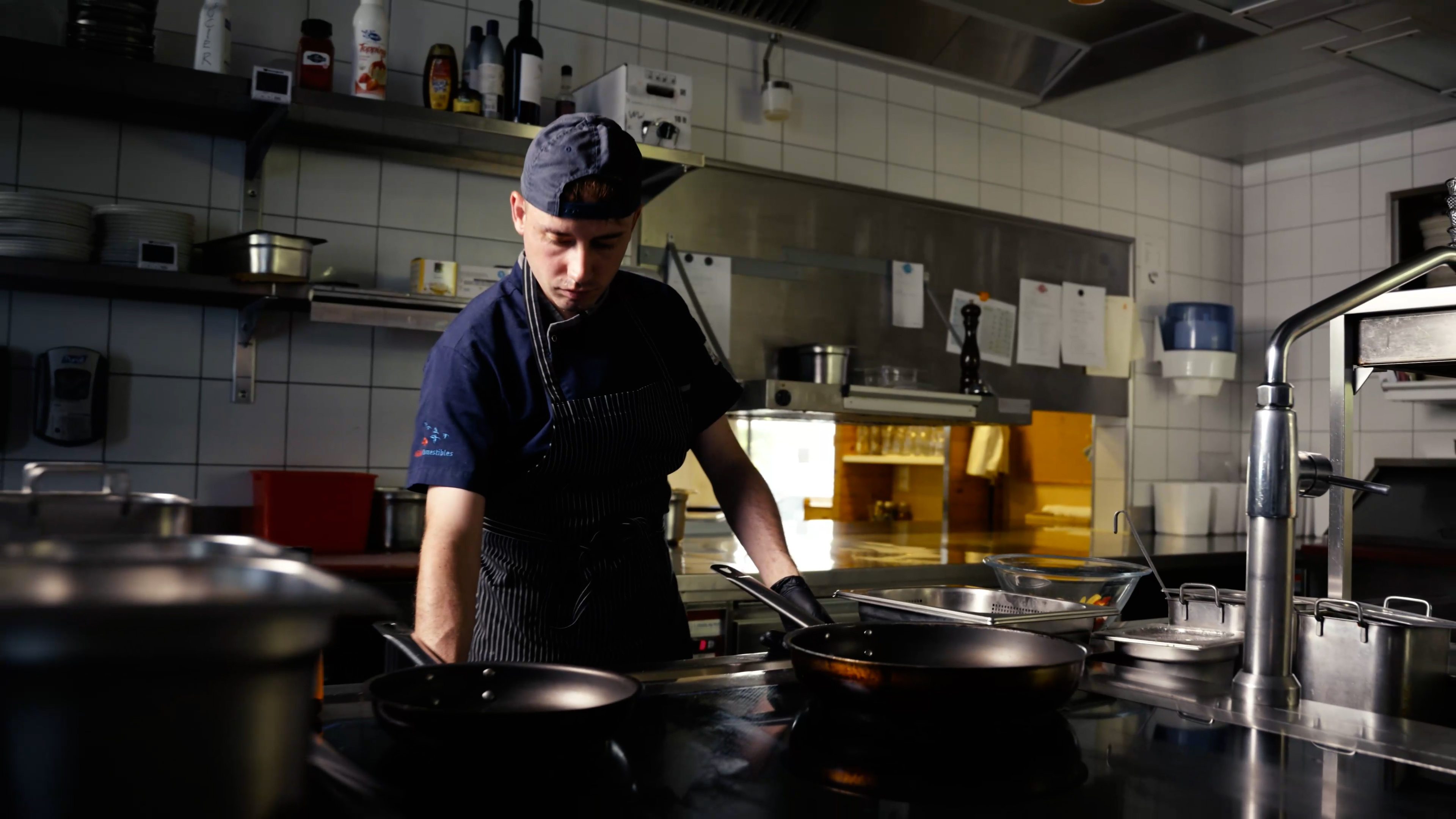
Philipp was particularly influenced by Marco Hächler during this time.
Philipp speaks openly about how there were times when he wasn't sure if he wanted to continue as a chef in the long run. Marco demanded a lot from him. He didn't always make his day-to-day work easy and consistently pushed him to his limits.
At the same time, Philipp saw him as a fair chef who recognized his potential and repeatedly tried to bring out the best in him.
"He was a strict boss, but a fair one. To a large extent, I am the chef I am today thanks to him."
This period not only shaped Philipp's professional skills; it also influenced his attitude toward work. He learned to persevere through difficult times, take on responsibility, and not settle for the first solution that came along.
Today, he describes Marco Hächler as one of his most important professional mentors.
Sometimes, good leadership isn't about making things as easy as possible for someone. Sometimes, it's about challenging a person until they realize for themselves what they're capable of.
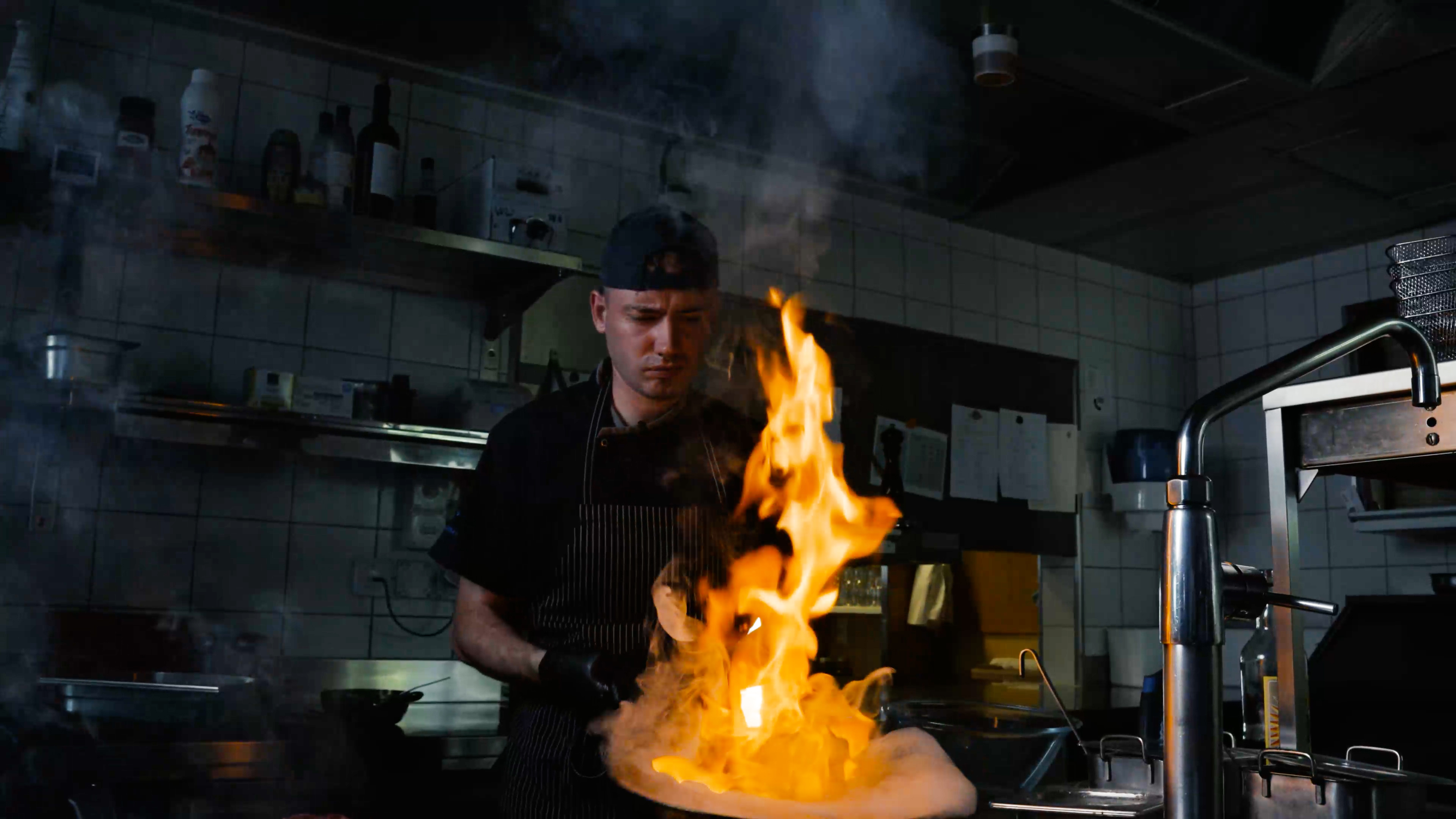
The desire for a new chapter
After several years and various stages at the Belvédère, Philipp felt it was time for a change.
The hotel’s kitchen management changed, and at the same time, he felt a growing desire to experience yet another type of establishment. He wanted to continue developing his career without leaving behind the connections and experiences he had gained so far.
His next step began, of all things, with a plate of Leberli and Rösti.
Philipp visited the Burehuus restaurant and got to know Frank Noordhoek's cuisine. The Leberli impressed him so much that he still talks about them to this day.
"I've never had such good Leberli before. Now I make them exactly the way Frank taught me."
It didn't stop at that one meal. Philipp and Frank met several times and discussed a possible collaboration.
In Frank, Philipp recognized something that reminded him of his time with Marco Hächler: a chef with clear ideas, high standards, and a direct manner.
Those conversations ultimately led to a new career opportunity.
Philipp left the Belvédère—but not the Hauenstein Hotels. Instead of switching to a different company group, he transferred internally to the Burehuus restaurant.
For Philipp, this was a decisive advantage. He was able to start something new without leaving his past experiences and relationships behind. He took what he had learned at the Belvédère with him to Thun. At the same time, a smaller, more intimate kitchen environment opened up to him, with new responsibilities and a new team.
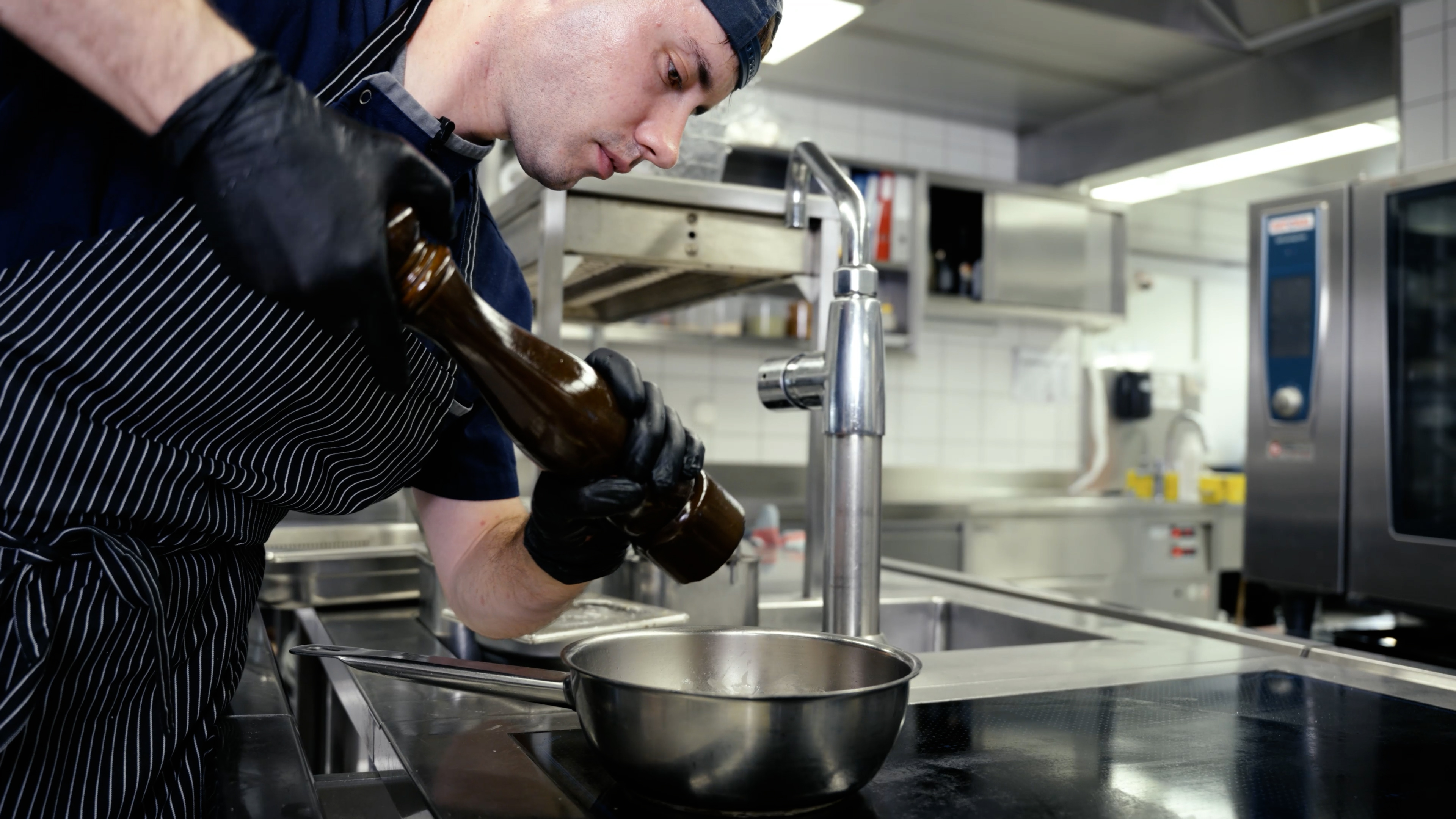
A transition that preserves knowledge
An internal transfer means more than just a new uniform or a different work location.
Philipp brought his experience from a large hotel kitchen to the Burehuus. He was familiar with various processes, work methods, and requirements. This knowledge remained within the “ Hauenstein Hotels ” and was able to continue to benefit another business.
Conversely, at Burehuus, Philipp got to know a kitchen where communication lines are shorter and collaboration is particularly direct. In a smaller team, each person makes a visible contribution to the overall result.
For Philipp, this very exchange is one of the strengths of the Hauenstein Hotels. Employees don’t necessarily have to look outside the group when they’re seeking a new challenge. Different facilities offer varying work environments and opportunities for growth.
Even after his move, Philipp stayed connected with the other kitchens. He had already helped out at the Deltapark Vitalresort and at Erlebnisland Grizzlybär. This allowed him to get to know other teams and kitchens and to share his experience across organizational boundaries.
What works at the Belvédère could serve as inspiration for the Burehuus. What goes over well with guests at the Burehuus, in turn, could be of interest to another business.
This is how several independent organizations come together to form a shared network.
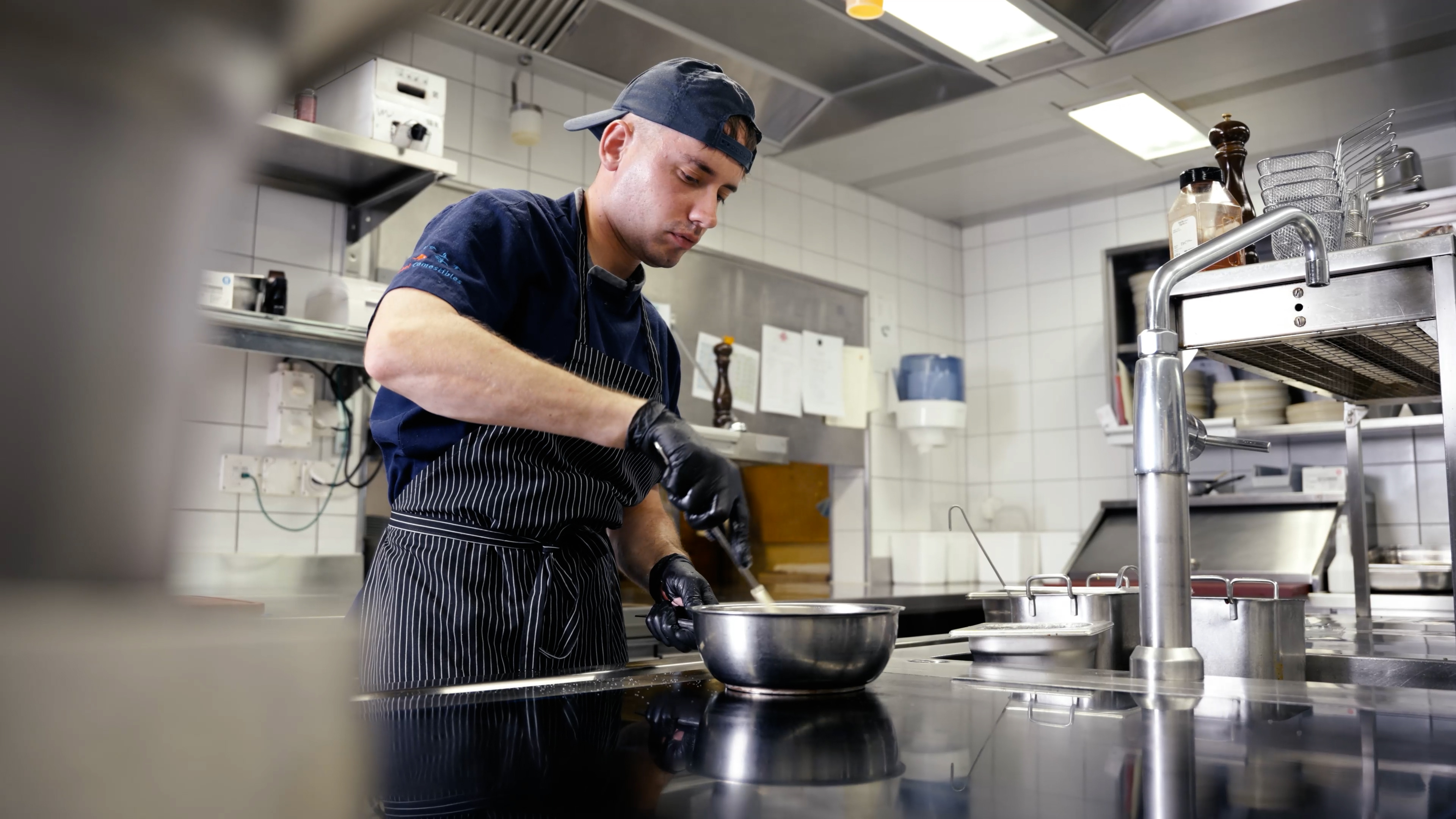
Frank as the second important mentor
Even the start at the Burehuus wasn't just a breeze for Philipp.
Frank challenged him right from the start. He closely observed how Philipp worked, how he handled responsibility, and whether he was willing to grow.
Over time, trust developed.
This trust was particularly evident at the sauce station. It’s the area where Philipp most enjoys working—and at the same time, a station that Frank himself particularly enjoys running.
Nevertheless, he left that responsibility to Philipp.
For Philipp, that was an important sign. Frank had seen that he was doing his best and was ready to take on a challenging position on his own.
That's how Frank became a mentor, too: not in the same way as Marco Hächler, but with a similar combination of high expectations, direct feedback, and growing trust.
Shortly after starting as a cook, Philipp was promoted to chef de partie. Since early 2026, he has been assisting the kitchen management as sous-chef.
The promotion is just the visible part of his development. What matters more is what lies behind it: giving someone responsibility, allowing them the freedom to act, and at the same time being there when support is needed.
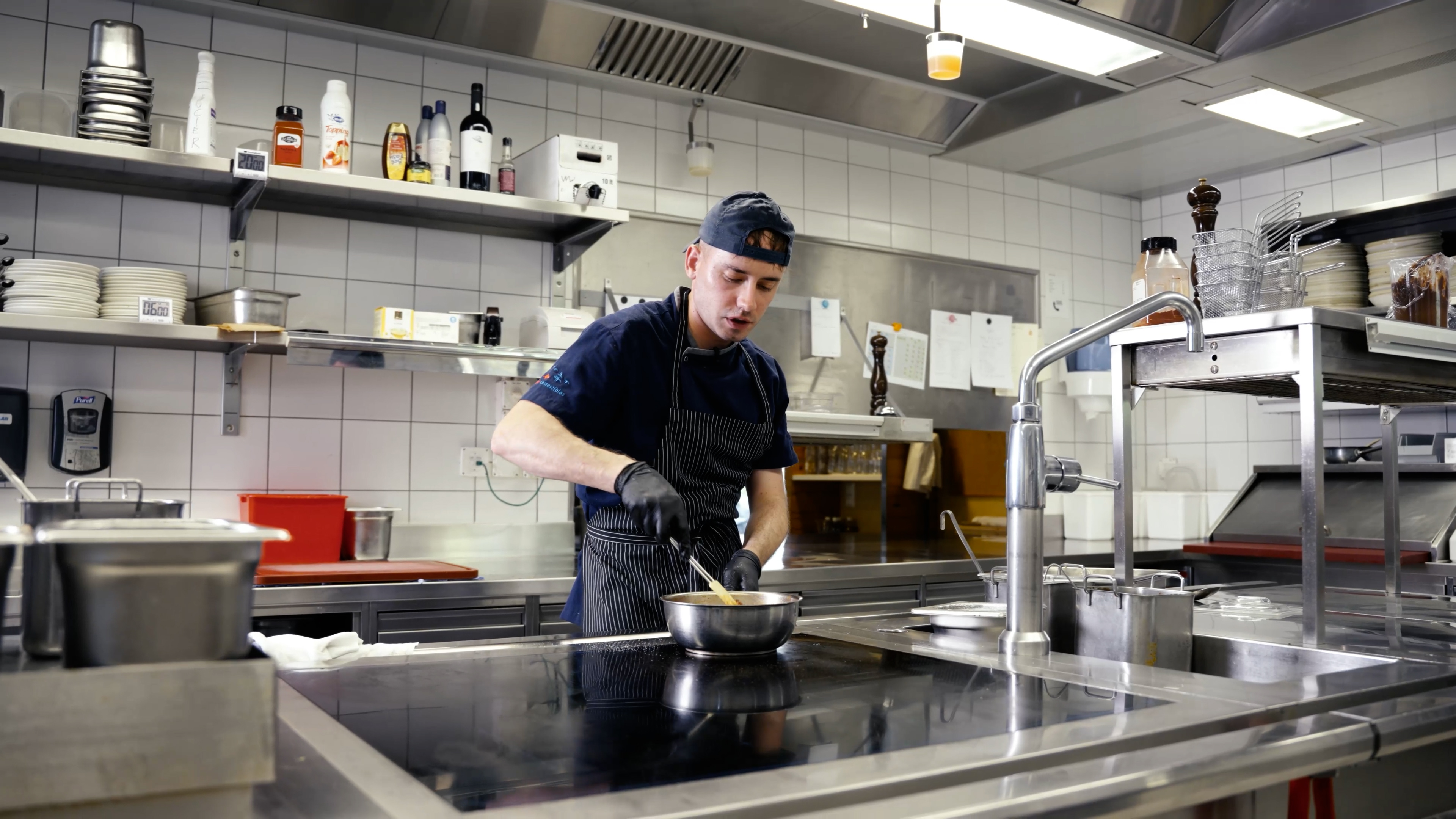
Room for Your Own Ideas
At the Burehuus, this trust is evident not only in the way positions are assigned.
Philipp and his colleagues also have the opportunity to contribute their own ideas. New dishes can be tested and offered to guests on a separate menu.
For example, this led to the creation of a beetroot couscous, which Philipp and the team tested. The dish was well-received by the guests and demonstrated how an original idea can become part of the menu.
For Philipp, opportunities like these are important. They bring variety to the daily routine in the kitchen and allow employees to add their own personal touch.
Not only does this teach you how to recreate an existing dish as accurately as possible, but it also teaches you how to develop an idea, put it into practice, take feedback on board, and follow through on it.
For Philipp, that is precisely what makes his job so appealing:
"You learn something new every day."
Success doesn't have to be a straight path
Philip's journey shows that a success story doesn't always have to consist of a continuous string of promotions.
Sometimes, taking a break is part of the process. Sometimes you have to leave a job to gain new experiences. And sometimes, the right path leads back to a place you already know.
Philipp worked at the Belvédère on several occasions. In between, he worked at other establishments, served in the military during the pandemic, and then returned to the hospitality industry. Later, he made a conscious decision to transfer internally to the Burehuus.
Each of these stages has contributed to its current role.
At the Belvédère, he learned to hold his own in a large hotel kitchen. Marco Hächler challenged him during a time when Philipp himself was still unsure where his career path would take him.
At the Burehuus, he found a more family-like environment. Frank Noordhoek entrusted him with responsibility and gave him the opportunity to advance from cook to chef de partie to sous-chef.
In between were experiences that may not have been part of a perfect career plan—but that’s exactly why they became important.
A place people love to visit
When talking about his work, Philipp often mentions trust, respect, and teamwork.
He really appreciates the employee benefits and perks. However, there’s something else that’s key to his long-term commitment to the “ Hauenstein Hotels ”: the feeling of belonging and being able to contribute.
At the Belvédère, he found people with whom he remained in touch even after he left. At the Burehuus, he found a head chef who entrusted him with a challenging position and a team where problems can be addressed directly.
His story, therefore, isn't just about how Philipp became a sous chef.
It’s about how important the right people can be at the right moment. It’s about chefs who recognize potential. It’s about a company where change is possible. And it’s about an employee who was willing to take on new challenges time and time again.
Perhaps Philipp himself best describes what this has meant to him:
"It's not that you have to go to work—you want to, too."