

Lake Thun Blog
What makes the Hauenstein Hotels so special?
Published on
March 1, 2021

“You can never generate huge profits with a hotel. But you can do something good and beautiful for the region—something that’s also fun.” Peter Hauenstein
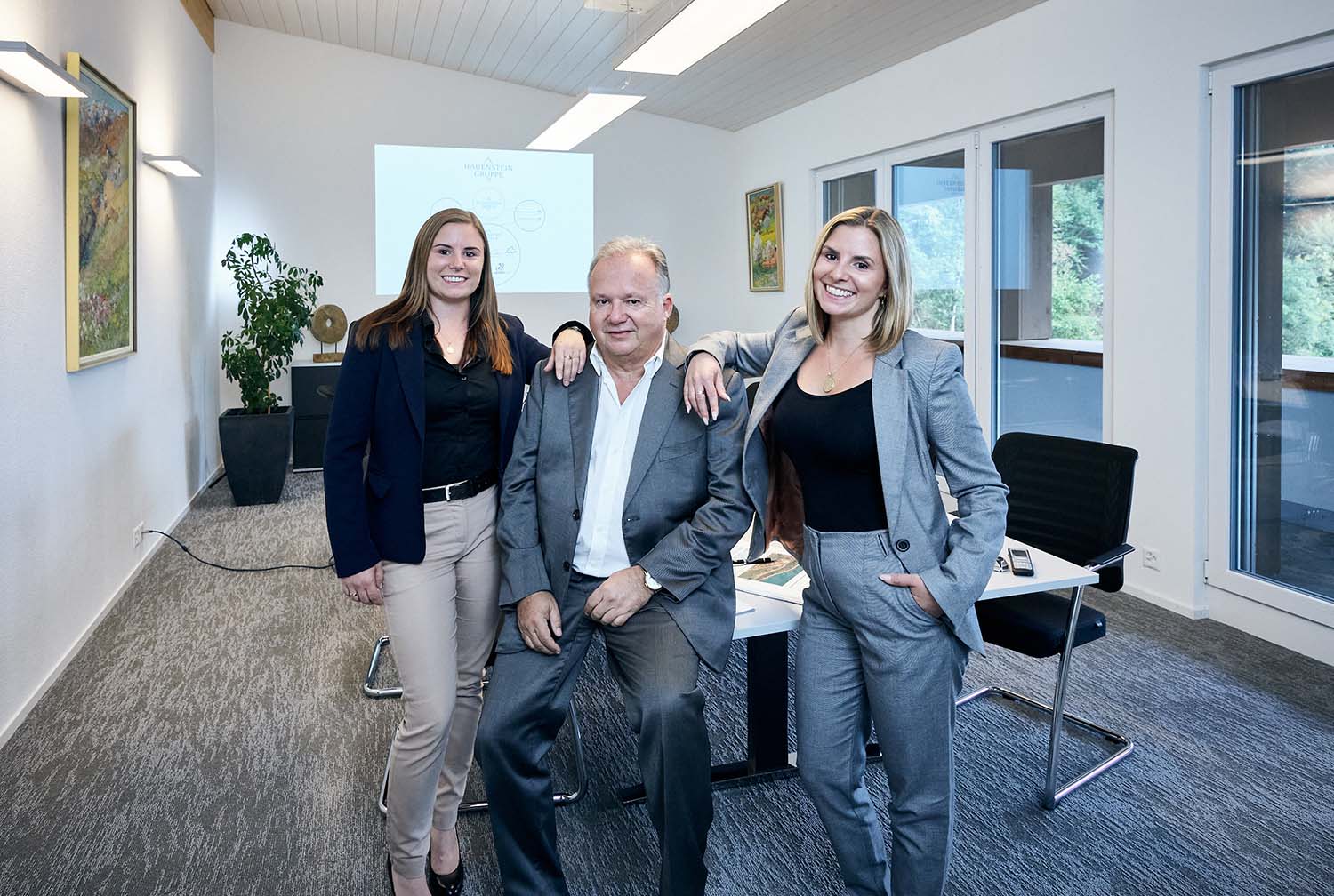
Their hotel empire is centered around the Lake Thun region. Here, their corporate group operates, among other things, three hotels, seven restaurants, and a rehabilitation clinic. These operations generate total revenue of approximately 50 million Swiss francs. Peter Hauenstein (63) has invested many millions in his properties over the past few decades. Now his daughters, Nathalie and Andrea, are carrying on the business. What makes the “ Hauenstein Hotels ” so special?
INTERVIEW WITH Hans R. Amrein
Nathalie Hauenstein, you are in charge of the Hauenstein Group’s hotels and restaurants. Tell me: What sets your hotels apart?
Nathalie: The properties under the “ Hauenstein Hotels ” umbrella are independent hotels and restaurants with different business models. What unites them is their deep roots in the region, their outstanding locations, and their shared goal of offering high-quality dining and hospitality services on Lake Thun.
You, Nathalie, have provided hotels and restaurants with a lot of new ideas in recent years.
Over the past five years, my focus has been on fostering cross-group collaboration. We have created new structures and leveraged synergies without the business units losing their partial autonomy. Building on this foundation, the business units will now be continuously optimized and further developed. The key areas of focus are the standardization, digitization, and centralization of processes.
All Hauenstein Hotels will follow the same operating models going forward.
No, quite the opposite. The operations will be different.
Andrea: The common thread is more of a “behind-the-scenes” thing and mainly involves administrative processes.
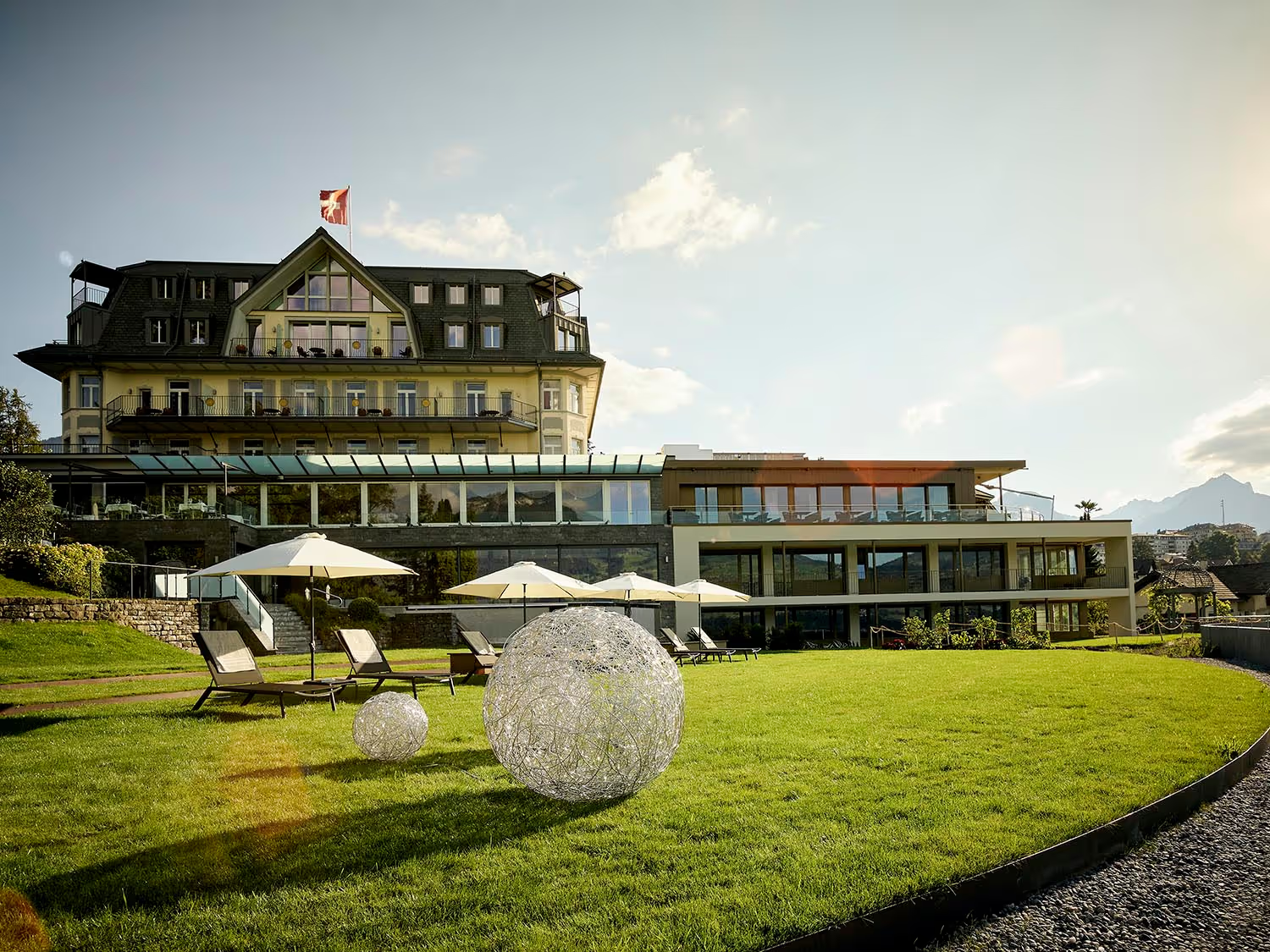
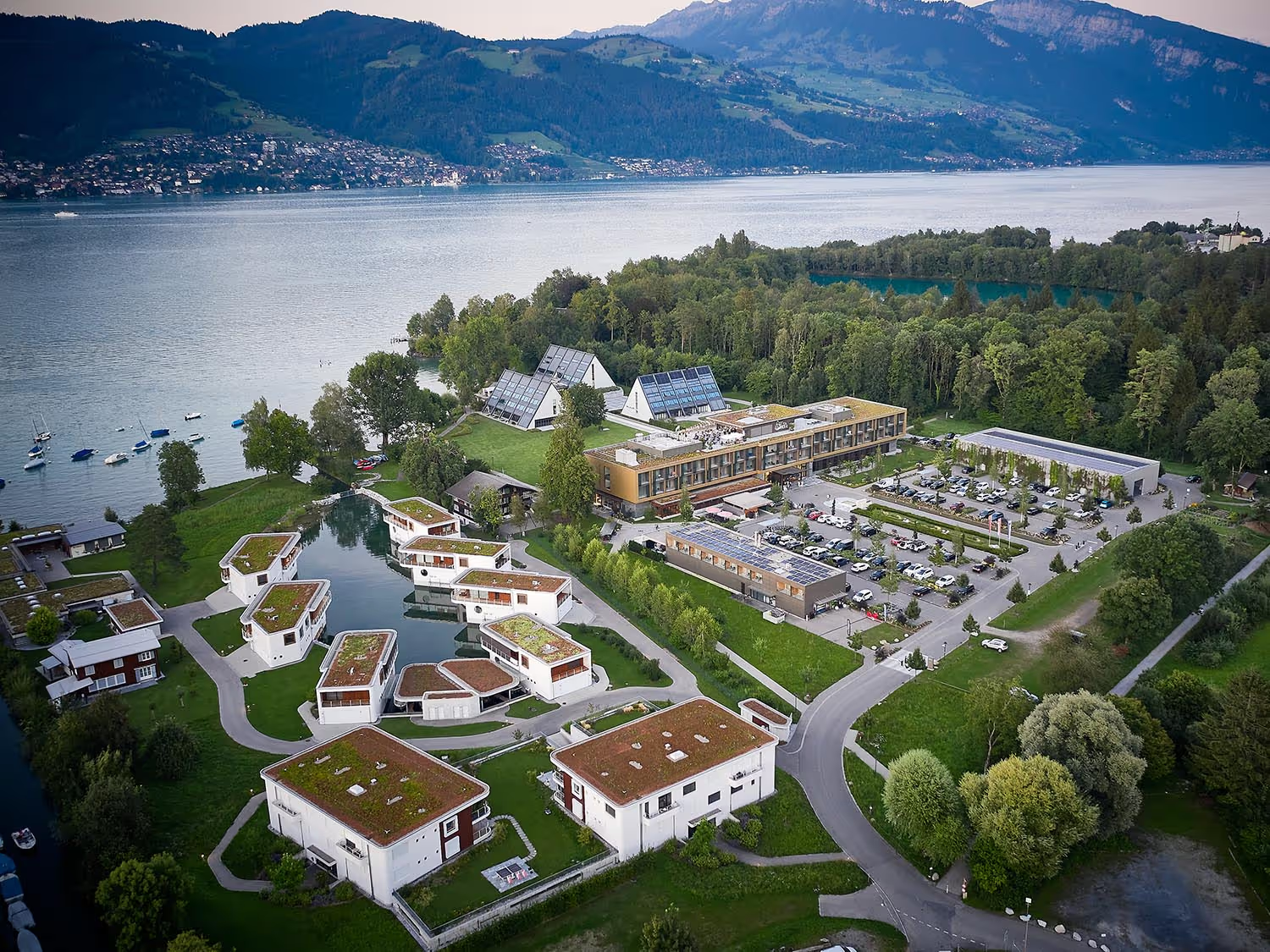
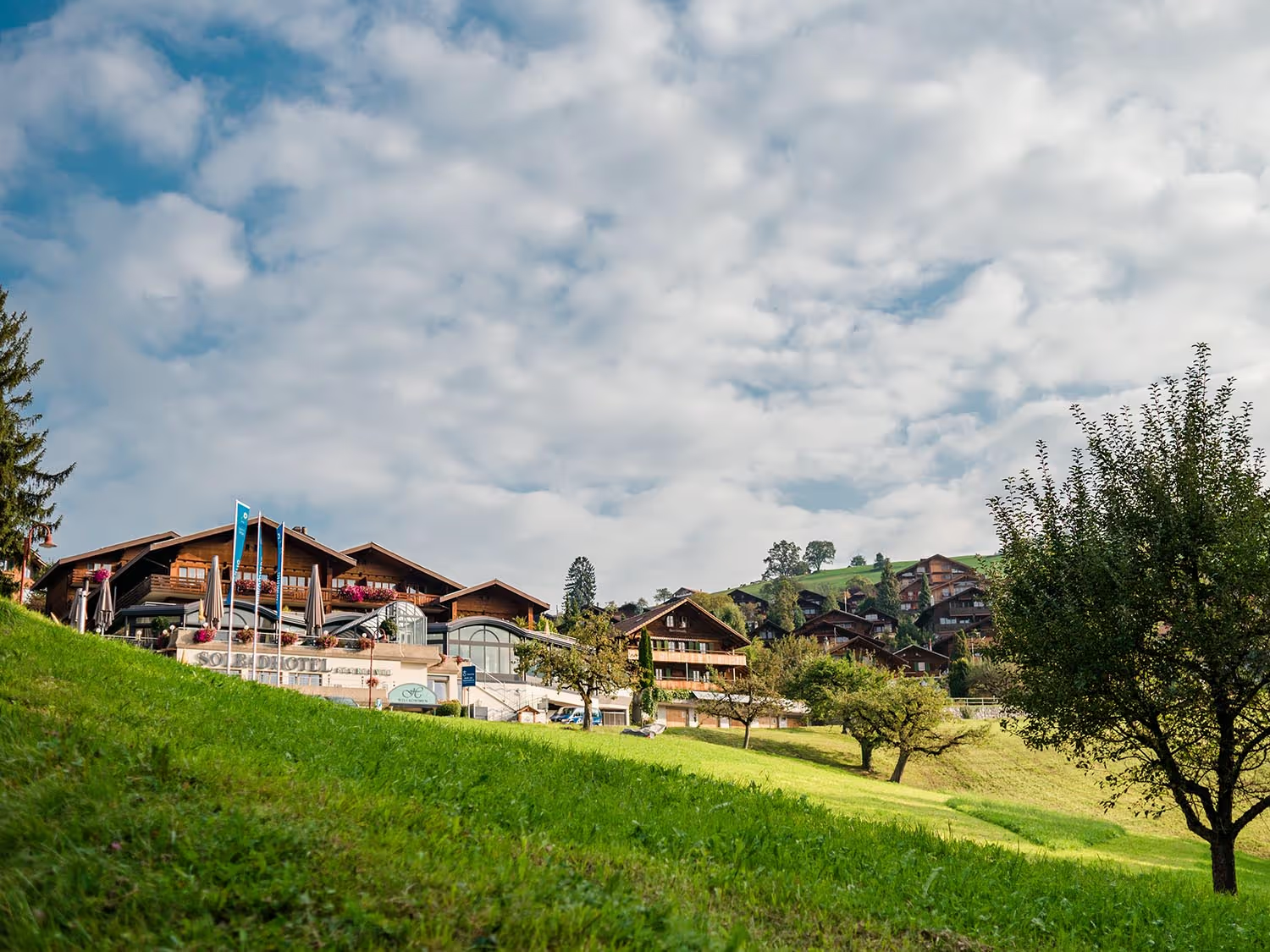
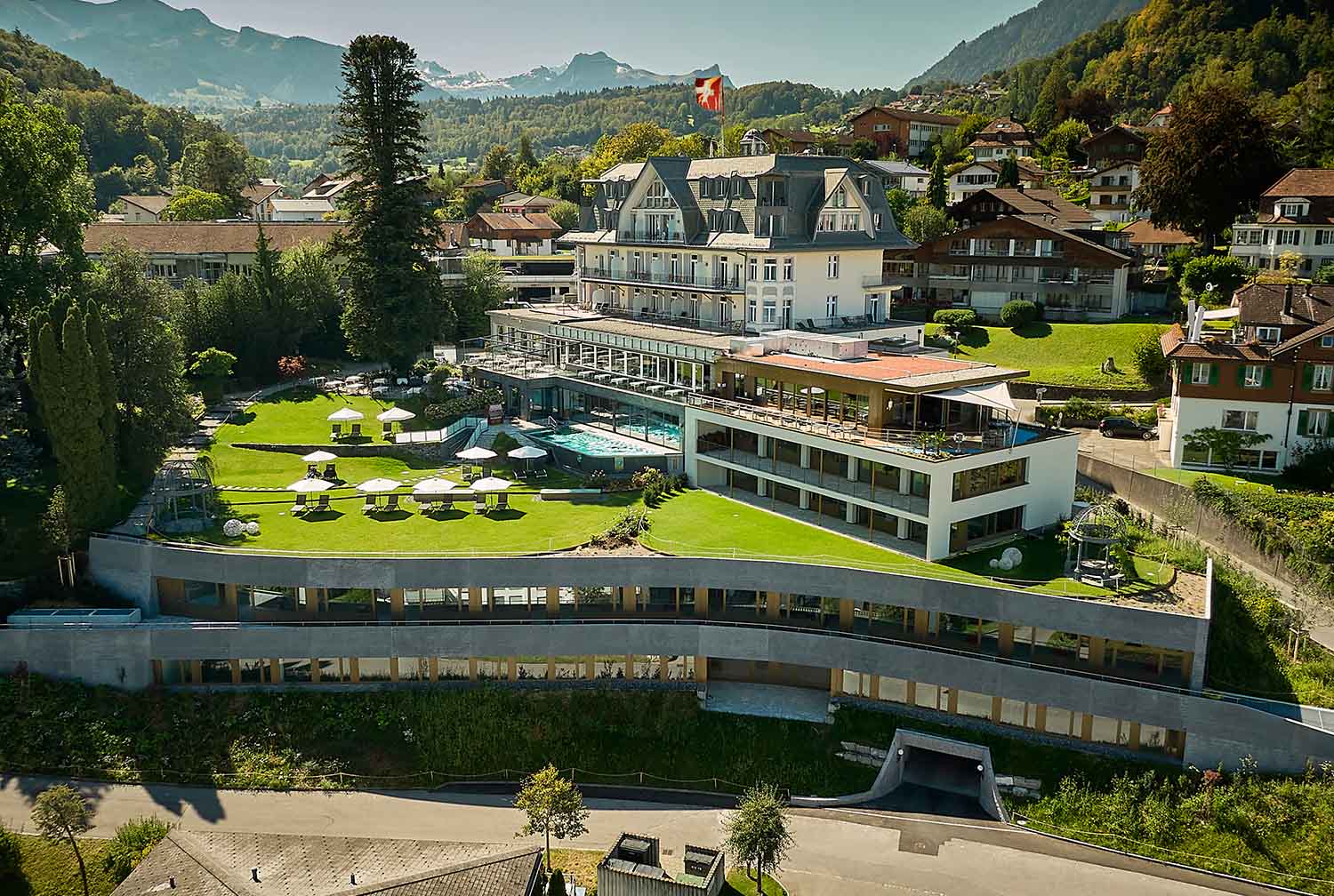
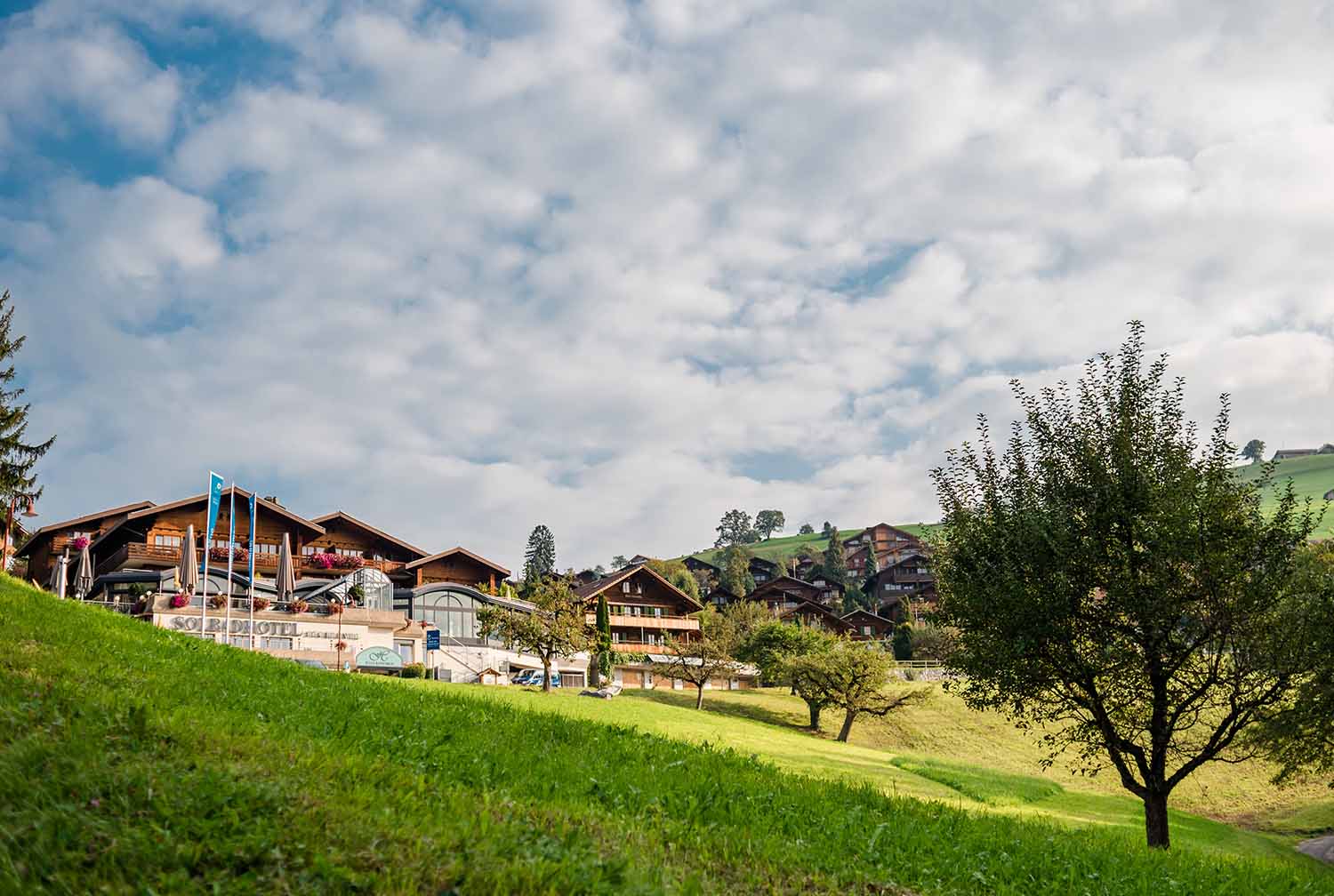
Your hotel group currently consists of two restaurants (Restaurant Burehuus in Thun and Landgasthof Grizzlybär in Längenbühl) and three hotels (Deltapark Vitalresort in Thun/Gwatt, Belvédère Strandhotel in Spiez, and Solbadhotel in Sigriswil). What, specifically, do these three hotels have in common?
Nathalie: Our shared, overarching vision for the Hauenstein Group is: We make dreams come true. As mentioned, our goal is to offer high-class dining and hotel services around Lake Thun and to continuously improve them. All of our hotels are situated in unique locations on Lake Thun with views of the lake and the mountains. All of our properties offer relaxation and enjoyment. All of our properties feature modern and comprehensive facilities: wellness centers, seminar facilities, restaurants, bars …
Their motto in the MICE sector is: “Meetings where others are partying or on vacation.”
That's right. And all of this in a prime location with stunning views and an inspiring, relaxing setting. We also pride ourselves on providing high-quality service. Our guests are our top priority—and we respond to their needs and feedback.
What do you do for your employees to ensure they remain motivated and follow your principles?
We believe in “equal opportunity for all.” We continuously invest in the future of our employees and also train apprentices in various trades.
Their hotels and restaurants have strong regional roots.
Yes, we prefer regional—or at least Swiss—raw ingredients and suppliers. And we also make sure transportation distances are short. Another example: We actively work to reduce food waste.
Do you plan to acquire additional hotels in the region?
It’s certainly possible that we’ll expand our current portfolio. Provided the facility is within about a 45-minute drive from our corporate headquarters, can be operated profitably, and aligns with our philosophy.
What exactly is your growth strategy?
Over the next few years, the focus will be on optimizing and developing our existing operations.
Are you making money from the hotels? Are the properties profitable?
Peter: The Deltapark Vitalresort and the Belvédère Strandhotel are in the development phase and can be operated profitably. The Solbadhotel Sigriswil and the Schönberg Clinic are also profitable. However, when it comes to the restaurants, we have not yet reached a point where their operation is financially viable.
Nathalie: It’s important to note that we own the commercial properties. The businesses are at different stages in their life cycles.
What does that mean?
The Deltapark Vitalresort opened in May 2016 and is still in its early stages, but shows great promise for growth. The Belvédère Strandhotel in Spiez has just reopened, but is still undergoing further development and also shows promise for strong growth. The Solbadhotel Sigriswil is already in the “cash cow” phase.
“Even though hotels aren’t the most lucrative business from a purely economic standpoint, we’re creating jobs through them. And we’re demonstrating our deep connection to the region.” Andrea Hauenstein
Fundamental question: Why do you invest in the hotel and hospitality industries? Aren't there more lucrative business sectors?
Nathalie: My grandfather, Walter Hauenstein, the company's founder, always said, "It is my pleasure to invest in great hotels and in the enjoyment they provide."
Andrea: Even though hotels aren't the most lucrative business from a purely economic standpoint, we create jobs through them! And we demonstrate our deep connection to the region through them …
Peter: We shouldn't just talk about finances, but about this beautiful region. It's a dream! One of the most beautiful spots in Switzerland.
Nathalie: For me, there's also a passion for tourism, especially the hotel and restaurant industries.
Nathalie Hauenstein, you attended the Thun Hotel Management School and are a certified hotel and restaurant manager (HF).
That's right.
What if a wealthy investor came along tomorrow and offered you a huge sum for the hotels? Would you sell?
Peter: No, that's out of the question.
Nathalie: Our corporate strategy does not call for that. Of course, there are always interested parties.
Hauenstein Hotels is currently independent and not a member of any hotel group or cooperative such as “Romantik Hotels” or “Swiss Quality Hotels.”
Nathalie: What you said isn't entirely correct. We are, in and of ourselves, a separate hotel partnership that shares common processes and activities in the areas of purchasing, HR, IT, logistics, finance, marketing, and sales. The Deltapark Vitalresort is also a member of “Preferred Hotels” and “Selfness & Genuss Hotels.”
What are the benefits of membership in “Preferred Hotels”?
This gives us access to overseas markets. And membership in the “Selfness & Genuss Hotels” network makes sense, since self-care, health, and vitality are major trends in tourism, and the Deltapark Vitalresort offers programs focused on preventive care.
Until the COVID crisis, all three hotels had also focused on the conference, seminar, and incentive business. Experts predict that this so-called MICE market will shrink significantly after the crisis. Will you therefore be giving up this “business”?
Nathalie: Yes, that’s a question we’re thinking about. We’re currently working on measures and various scenarios for the MICE market. For example, we already offer hybrid events at all our properties. I don’t expect the seminar business to disappear entirely, but it will change.
Some industry experts believe that the hotel industry will change in the wake of the COVID crisis. What is your view on this?
Nathalie: Are you referring to the industry itself or to the service?
From the industry.
Nathalie: The hotel industry will undoubtedly struggle with the effects of the crisis for a long time. The MICE sector and city hotels, in particular, will have to seek out new ways to utilize their facilities. The key question is how travel behavior will change. Will everything stay the same? What about business travel? I can’t give you a clear answer right now.
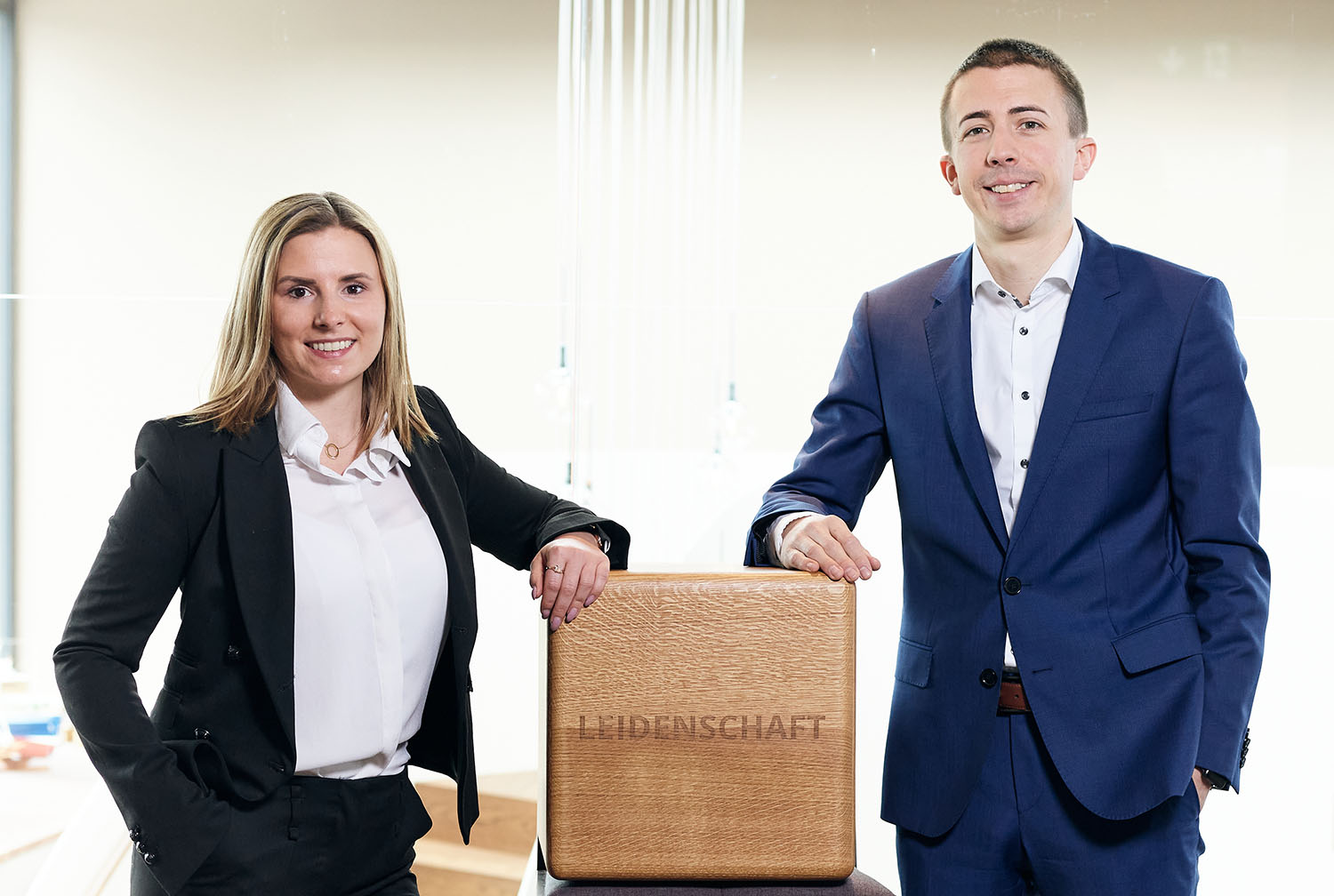
Effective June 1, 2021, you, Nathalie Hauenstein, will step down from your role as general manager of the hotels and restaurants. Who will then be responsible for the general management of the properties?
Nathalie: Over the past five years, I have established cross-group collaboration among the hotels and created the necessary structures. We can now build upon this foundation and continue to optimize it. In early June 2021, David Romanato will take over as general manager. He managed the Belvédère Strandhotel from 2014 to 2018, alongside Bruno Affentranger.
"The hotel industry will have to grapple with the effects of the crisis for a long time. The MICE sector and city hotels, in particular, will have to seek out new ways to utilize their facilities." Nathalie Hauenstein
And in what capacity will you be working for the hotels starting in June?
Nathalie: As a member of the Hauenstein Group's executive management team, I will continue to be responsible for the Hotels and Restaurants division and will work with David Romanato to further develop this business segment.
You recently told me that personnel and organizational development are of particular importance to you.
That's right. I want to create a work environment that fosters a sense of community and creativity. I know from my own experience that, in today's fast-paced and performance-driven world, the challenges facing leaders are becoming increasingly complex. That's why we should support our leaders. I am convinced that companies that take this responsibility seriously will gain a competitive advantage.
What do you mean by that?
As an empathetic leader, business development specialist, and workplace mentor, I want to support and inspire others to reach their full potential. I want to help them better navigate challenges and find innovative solutions. I am currently developing programs that promote positive and empathetic (self-)leadership.
Andrea Hauenstein, you are the “finance minister” of the Hauenstein Group. Tell me: Under what conditions can hotels like the ones you operate be run profitably?
The industry generally assumes the following thresholds are necessary to achieve profitability: 1.5 million in revenue and/or 50 hotel rooms. This is primarily intended to achieve economies of scale. In general, however, it depends on the business model, the operational structure, and efficiency.
“My job is an exciting challenge—and not a small one. But it’s exciting, and it’s a pleasure to have the right people on board.” Andrea Hauenstein

Peter Hauenstein, you took over the hotels from your father, Walter Hauenstein, and have continued to run them. You’ve also spoken critically about your involvement in the hotel business, saying it’s a very costly but not very profitable venture. Why haven’t you simply sold the hotels in recent years?
Peter: Believe me, profit isn't everything! It's always about passion and joy, too. There is one exception: the “Seerose” in Faulensee. Even after more than twenty years, we couldn't run this small seasonal hotel with just ten rooms profitably, so we sold it.
Their goal is for the hotels to operate independently as profit centers and to be profitable.
Yes.
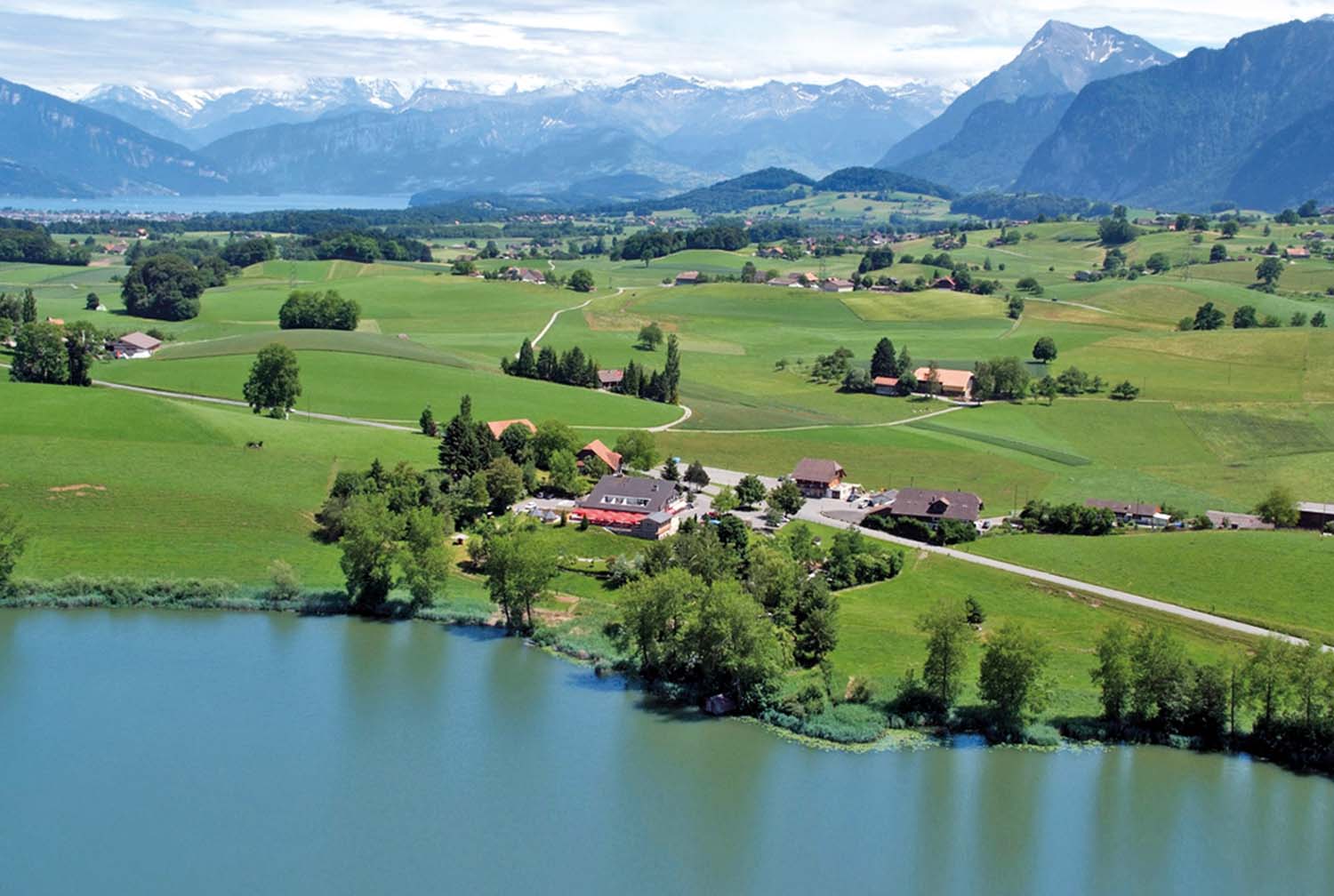
The largest hotel project you've completed is the Deltapark Vitalresort in Gwatt, near Thun. You invested a lot in that project … …
nearly 80 million Swiss francs, including Delta Privé, and 50 million Swiss francs for the hotel construction alone.
Will you one day make huge profits at Deltapark?
You’ll never make huge profits with a hotel. But, as I’ve already said, you can do something good and beautiful for the region—something that’s also fun. I always told my father: Real estate is a business—that’s how we make money. Hotels and restaurants are your hobby, and you have to be able to afford them. Of course, a hobby is more fun when you don’t have to dip into your own pocket every day. There’s only one way to make a small fortune with a hotel or restaurant…
… and how does that work?
You have to start with a large fortune.
In November, you handed over the “reins” to your two daughters and Managing Director Daniel Eschmann. Are you now retiring to the Caribbean—or at least to a hammock by Lake Thun?
I don't own a hammock.
Nathalie: He has a lounge chair …
Peter: I'm here and available whenever anyone needs me. I'm more than happy to help. I also come into the office from time to time.
And what will you do with the time you've now saved?
There are lots of things that interest me. I also like to sleep in. Anyone who knows me wouldn't schedule an appointment with me before 9 a.m.
Sleeping is one thing—do you have any other hobbies?
Oh, I do a lot of things!
Nathalie: He enjoys boating, collecting mushrooms, and fishing. He loves antique furniture and occasionally restores an old piece of furniture…
Peter: I'm a hunter-gatherer.
Let's be honest, Peter Hauenstein: Can you really let go?
Others have to answer that question. Why should I get involved when the others are doing a good job? It was much harder for my father to let go, because he started from scratch back in 1954. The company was his life's work.
You're only 63. Isn't that a little too young to retire?
Should I wait until I'm really old to enjoy life a little more?
Nathalie and Andrea Hauenstein, how do you feel in your roles as managers and leaders of the Hauenstein Group?
Nathalie: I admit that in times of crisis and constant change, a task like this isn't always easy. But I'm motivated, and I appreciate having a great team by my side.
Andrea: It's an exciting challenge—and not a small one. But it's exciting, and it's a pleasure to have the right people on board.
Nathalie, Andrea, and Peter Hauenstein, thank you very much for the interview, and we wish you continued success!
"Sell the hotels to a wealthy investor from China or Russia? No, that's out of the question." Peter Hauenstein